From national park to waterpark, sandy beaches to mossy forests, the diversity of Tenerife means there is something for everyone. Expect dramatic volcanic landscapes, quaint mountain villages, beautiful beaches and delicious local food.
Where else can you spend the morning hiking above the clouds and the afternoon swimming in the ocean? Few destinations pack so much variety into one spot.
Wondering where to start? Check out the beginner’s guide to Tenerife below to help plan your trip and make the most of your time on the island.
Top Things to See and Do In Tenerife
Explore Teide National Park
The center and heart of the island is Mount Teide, Spain’s highest peak. The drive up to the national park is worth the trip alone. You’ll slowly leave houses behind and pass through pine forests before catching your first glimpse of the mighty volcano. As you rise above the clouds you´ll find colorful rock formations, lava fields and expansive viewpoints. You can choose your own level of adventure and effort as you explore the park. For spectacular views without the sweat, take the cable car up to 3,555 meters (11,663 feet) in altitude, or tackle one of the hiking trails for a more intimate view.
Wander Though Anaga
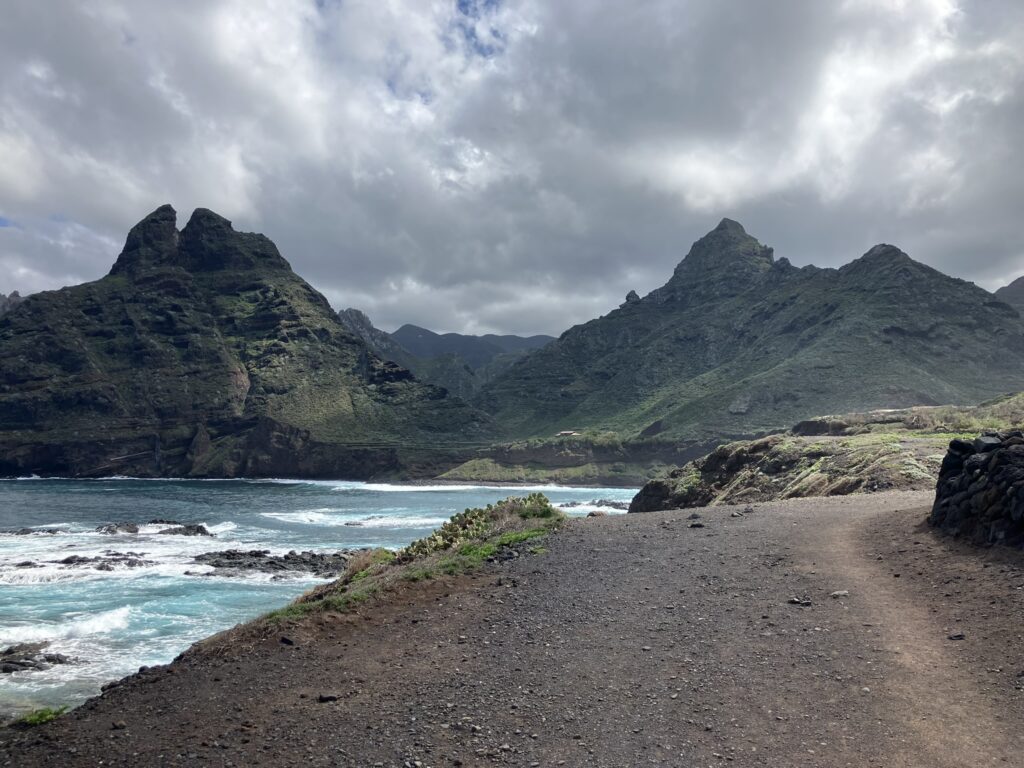
The green soul of Tenerife is indisputably the Anaga Rural Park, located in the north of the island. This UNESCO designated Biosphere Reserve is one of the oldest and greenest parts of the island. Here you trade busy beaches for secluded forest walks past mossy trees and huge ferns. Enjoy the windy mountain roads, spectacular viewpoints and small villages quietly nestled in massive ravines.
Visit La Laguna
La Laguna is Tenerife’s cultural capital and a UNESCO World Heritage Site since 1999. The city, founded in the late 15th century, provided a new model of urban planning which was replicated during Spanish colonization of the Americas. Locals and visitors alike stroll through La Laguna´s pedestrian streets, admire colorful colonial buildings, interior patios and grand churches. La Laguna has a lively restaurant and bar scene, making this a great stop to enjoy local food and people watch.
Eat at a Guachinche
There is no better place to try local Canary cuisine than at a guachinche. Originally they were small, makeshift restaurants allowing families to sell their own wine production accompanied by a few plates of food. Nowadays you can expect rustic surroundings, generous portions of traditional Canary food and local wine.
Spend a Day at Siam Park
Frequently ranked as the world´s best water park, Siam Park contains thrilling slides, an enormous wave pool and the longest lazy river in Europe. Both adults and kids will have a blast.
Where to Stay in Tenerife
One of the most important decisions you’ll make is where to stay on the island. Different areas offer wildly different experiences.
Costa Adeje
Upscale resorts, excellent hotels, reliable sunshine and lovely beaches. This is a great area for first-time visitors to Tenerife who are in search of relaxation and sunbathing.
Los Cristianos
Seaside town ideal for families with safe swimming beaches, easy access to Siam Park and a more relaxed vibe than its neighbor Las Americas.
Las Americas
Despite being connected to Los Cristianos by a seaside promenade, Las Americas is definitively more lively with a greater emphasis on bars and nightlife. Here you can find ample beach activities, shopping, restaurants and sangria flowing at all hours. This area is geared towards tourists, so expect more of them than locals.
Los Gigantes
The famous towering sea cliffs nearby give this town its name. This is a quieter but still touristic area further away from the airport than Los Cristianos, Las Americas and Costa Adeje. Thus, if you stay in Los Gigantes, it is best to organize a rental car to easily explore smaller towns and nature nearby.
El Medano
Tenerife’s kitesurf capital. El Medano is a laid back beach town with a more local feel. Expect to see a mix of families, couples, and groups of friends looking for a less touristic base in the south.
Puerto de La Cruz
Puerto de la Cruz is much greener and a great spot for tourists who would like to step away from the deeply touristic south. Here you will find colorful buildings, street art, palm-lined avenues, black sand beaches and a seaside promenade for your evening stroll.
La Laguna
If you are looking for a cultural stay, La Laguna offers a more authentic experience where locals outnumber tourists. As a UNESCO World Heritage Site, many historic buildings were preserved offering a visual lesson in traditional Canary architecture. You´ll find great restaurants, bars and cafe culture as well as easy access to the nature of nearby Anaga Rural Park.
Santa Cruz
Tenerife’s capital city has historically received more day trippers off of cruise ships that dock in its port than overnight tourists. That said, it´s a solid option for independent explorers looking for a less touristy city base. If you decide not to rent a car, Santa Cruz is an important transport hub, ensuring you would be able to move around easily with public transport to major points of interest.
How to Get Around Tenerife
Car Rental: The easiest and most flexible option. Recommended if you want more independence and to visit Anaga, Masca, the Teide on your own, rather than with a group excursion and to visit smaller, off the beaten track towns.
Public Transport: Reliable, safe and affordable. The public bus system connects major cities with ease. If you have time, patience and plan your schedule well, you can use public transport to visit some areas off the beaten path.
Taxi: Easy to find in larger towns and tourist hubs. Great for shorter distances, but can become expensive for longer trips.
Best Time To Visit Tenerife
Tenerife is a year-round destination thanks to its great climate. The decision about when to go has more to do with what activity you’d like to do.
Spring (March – May): Great for hiking and fewer crowds.
Summer (June – August): Ideal for beaches and watersports. July and August are the hottest months of the year and typically high season as families take advantage of summer break.
Autumn (September – November): Warm sea temperatures with fewer tourists, great time for hiking.
Winter (December – February): Peak high season as Northern Europeans escape winter and look for sunshine.
Note: Tenerife celebrates Carnival during February or March depending on the year. As the world’s largest carnival after Brazil, expect crowds and jumps in accommodation prices in and around Santa Cruz during this time.
Average Daytime Temperatures
| Season | Coast | Mount Teide |
|---|
| Spring (Mar–May) | 22–25°C (72–77°F) | 10–18°C (50–64°F) |
| Summer (Jun–Aug) | 27–31°C (81–88°F) | 15–25°C (59–77°F) |
| Autumn (Sep–Nov) | 24–29°C (75–84°F) | 12–22°C (54–72°F) |
| Winter (Dec–Feb) | 20–23°C (68–73°F) | Often below 10°C (50°F) |
Travel Tips
- Many tourists underestimate how large Tenerife is and the time it takes to drive between sights. Budget more time than you think to explore the island´s sights and enjoy the slower pace of life.
- Bring layers! Even in summer parts of the island may be fresh, especially the higher up you go in altitude (for example if you plan to visit Mount Teide).
- The south is arid and has more consistent sun, the north can be more cloudy depending on the season and is greener.
- Book Teide summit permits or the cable car well in advance if you want to hike or ride to the top