As one of the larger Canary Islands, Gran Canaria offers an incredible variety of landscapes and experiences on one island. It is home to Las Palmas, the archipelago´s largest city and one of the few places where you can enjoy the city buzz and easy access to the ocean.
While popular for a quick city and beach break, the island has so much more to offer. Outside of the capital, explore traditional architecture in small mountain villages, hike around volcanic craters and visit viewpoints overlooking dramatic cliffs and ravines.
Whether you want an adventure or a relaxing stay, this beginner’s guide to Gran Canaria covers the most important basics you need to know before planning your first trip.
Top Things to See and Do In Gran Canaria
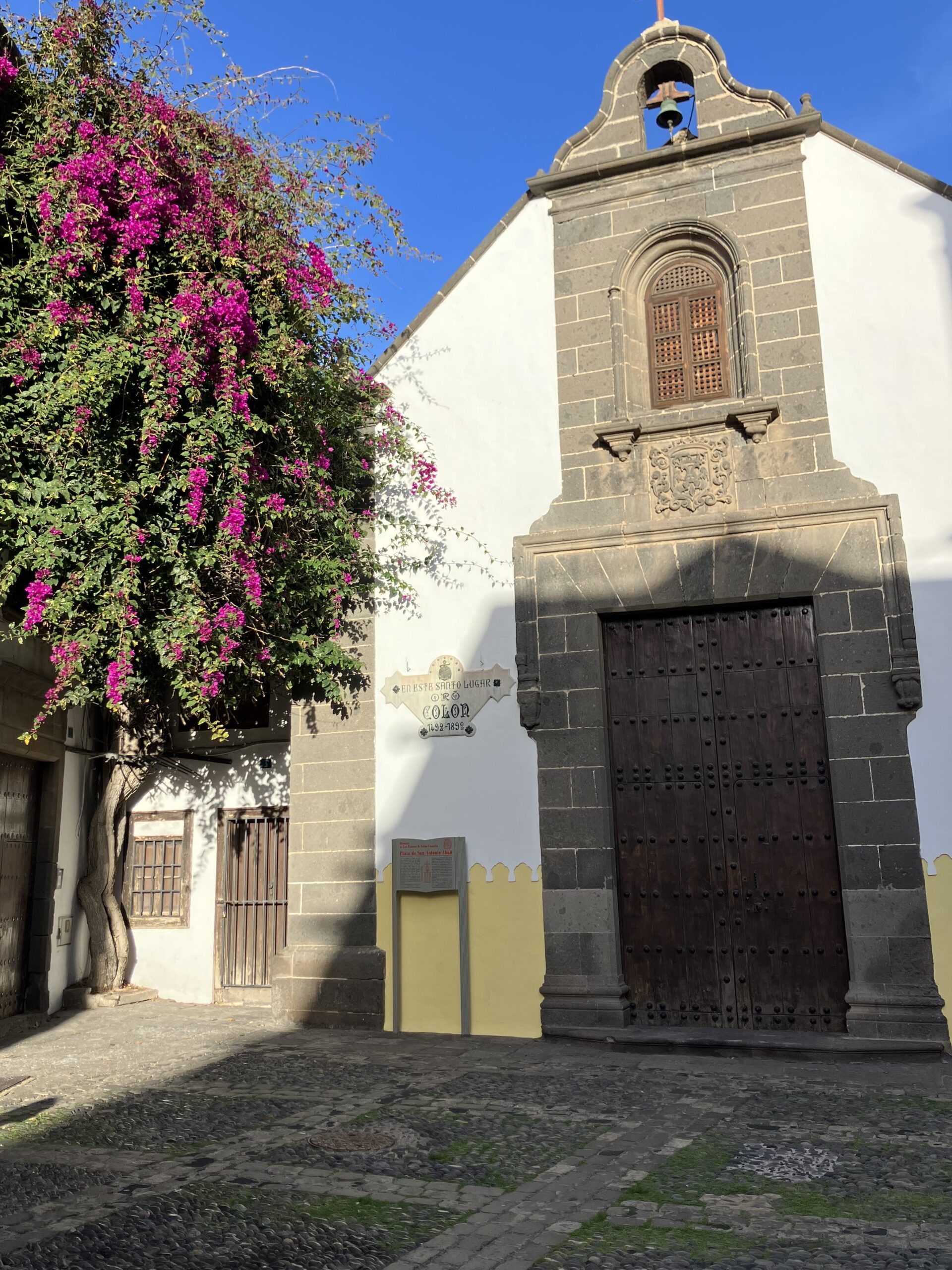
Discover Las Palmas and Vegueta
Can’t decide between a city break or a beach vacation? Las Palmas lets you have both. The city hustle spills directly onto the golden sands of Las Canteras beach where visitors and locals swim, tan, surf and hangout just steps from the city center.
When you get tired of the beach, head to the cobbled streets of Vegueta, Las Palmas’ historic old town. Peruse stops, stop for a coffee break, visit a museum or go out for a meal among colonial buildings and quaint plazas.
Explore Maspalomas Sand Dunes
The protected dunes of Maspalomas are one of Gran Canaria´s most iconic landscapes and a top picture taking destination. Take a walk at sunrise or sunset to experience golden and pink hues of the sand.
Wander Around Puerto de Mogán
Puerto de Mogán is a top contender for the most picturesque town on the island. Enjoy a leisurely stroll through streets lined with colorful buildings, check out the charming harbor and eat at one of the restaurants offering fresh seafood.
Visit Risco Caido
Tucked in the mountainous north of the island, this UNESCO World Heritage Site provides an opportunity to learn about Gran Canaria´s original inhabitants. Visit archaeological sites and ancient cave dwellings to round out your trip with a cultural experience.
Hike to Roque Nublo
Roque Nublo is Gran Canaria´s most famous and recognizable volcanic rock formation. A short hike up to the rock rewards visitors with sweeping views across nearby mountains, making it a great spot to view the sunrise or sunset. On a clear day you can see all the way over to the neighboring island of Tenerife and Spain´s highest peak, El Teide.
Where to Stay in Gran Canaria
One of the most important decisions you’ll make is where to stay on the island. Different areas offer wildly different experiences.
Masapalomas/Meloneras
A relaxed resort area located in the south of the island where there is more consistent sun. The area is known for all inclusive hotels and easy access to the famous Maspalmosa dunes.
Playa del Inglés
Located in the south, this is the central area for mass market tourism. Expect lively nightlife, bars, restaurants and many souvenir shops.
Puerto Rico and Amadores
Also located in the south, these areas are popular with families and those wanting calm beaches and a more relaxed vibe.
Puerto Mogán
Great for a picturesque, romantic trip. It is a bit further out and would require more driving if you wanted to explore the north of the island. It´s advisable to rent a car if staying here.
Las Palmas de Gran Canaria
Best for travelers wanting a city break with an easily accessible urban beach. Gran Canaria´s capital city is well connected and also perfect for travelers who plan to use public transport instead of renting a car.
How to Get Around Gran Canaria
Car Rental: The easiest and most flexible option if you would like to explore small mountain villages, scenic viewpoints or access quieter beaches.
Public Transport: Reliable, safe and affordable. The best connections are from major cities such as Las Palmas and tourist hubs such as Maspalomas and Playa del Inglés. If you have time, patience and plan your schedule well, you can use public transport to visit some areas off the beaten path.
Taxi: Widely available in larger towns and tourist hubs. Great for shorter distances, but can become expensive for longer trips.
Best Time to Visit Gran Canaria
Gran Canaria is a year-round destination thanks to its pleasant climate. The best time to visit depends on the type of vacation you are planning.
Spring (March – May): Great for hiking and general sightseeing. Expect fewer crowds and comfortable temperatures.
Summer (June- August): Ideal for sun bathing, swimming and water sports. The hottest temperatures of the year occur in July and August which coincide with an increase of tourism as Spanish families take their summer holidays.
Autumn (September – November): Summer tourists have headed home, but water temperatures remain warm. This is an ideal time to hike and explore inland with fewer crowds.
Winter (December – February): This is Gran Canaria´s busiest season. Temperatures are moderate, but can feel cool at night or higher altitudes.
Note: Gran Canaria celebrates Carnival during February or March (depending on dates).
Average Daytime Temperatures
| Season | Coast | Mountain Interior |
| Spring (Mar–May) | 21–25°C (70–77°F) | 12–20°C (54–68°F) |
| Summer (Jun–Aug) | 25–29°C (77–84°F) | 18–27°C (64–81°F) |
| Autumn (Sep–Nov) | 23–28°C (73–82°F) | 15–23°C (59–73°F) |
| Winter (Dec–Feb) | 20–23°C (68–73°F) | 8–16°C (46–61°F) |
Travel Tips
- Go inland. Gran Canaria has so much more to explore than just the coastline.
- Rent a car for greater flexibility. Public transport connects popular destinations, but more remote, less touristed areas require a car.
- Bring layers, even in summer. The higher up you go in altitude, the fresher it can feel.
- The south generally has more consistent sun, while the north is greener.
- Accommodation prices jump up during the winter high season, so book early if you would like to visit during this period.