With eight islands to explore, which should you choose for the perfect holiday? Length of vacation, budget and type of activity will likely be major factors in your decision about which is the right one for you.
First time travelers generally arrive at one of the two largest islands: Gran Canaria or Tenerife. However each island has its own style and character. The smaller islands in the archipelago – La Graciosa, El Hierro, La Palma and La Gomera are much less touristy than the largest two, but can take a bit longer to arrive to due to limited or non-existent international flight connections.
If you have a longer vacation, nothing says you have to stick to just one destination. The Canary Islands are well connected to each other via the beloved regional airline Binter and various ferry routes. The islands offer diverse landscapes and activities, so you can easily return to the archipelago (as many people do) and still be surprised and delighted by magical viewpoints, comfort food and a slower pace of life.
Tenerife: Resorts and Family Fun
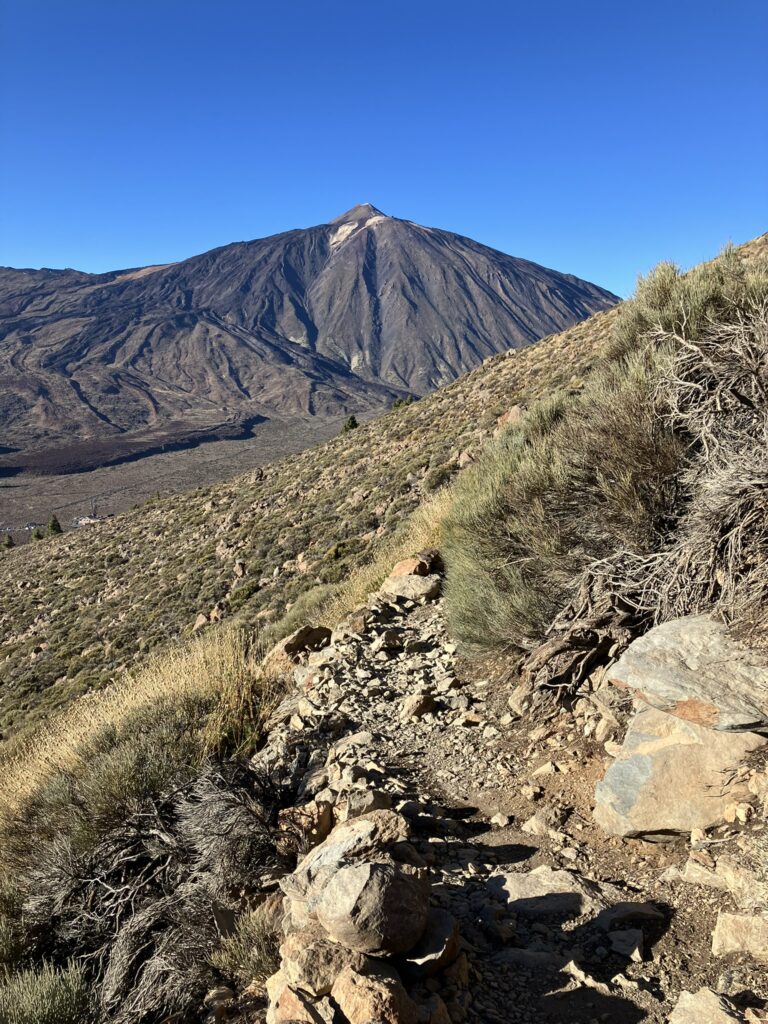
Home to the world´s best rated waterpark in TripAdvisor, Spain’s tallest mountain and the country’s largest Carnival, Tenerife offers something for everyone. It is a true choose your own adventure destination, allowing you to craft the perfect holiday no matter if you are looking for family fun, an outdoor adventure or lively nightlife.
The most consistent sun can be found in the South, where tourism is concentrated along the coastline and in resorts. The north is less affected by mass tourism making it an ideal area for independent travelers to explore historic towns, experience local culture and practice a few words in Spanish.
With endless viewpoints, dramatic landscapes and swimming options, you can rest, relax and adventure all in the same place.
Gran Canaria: City Vibes
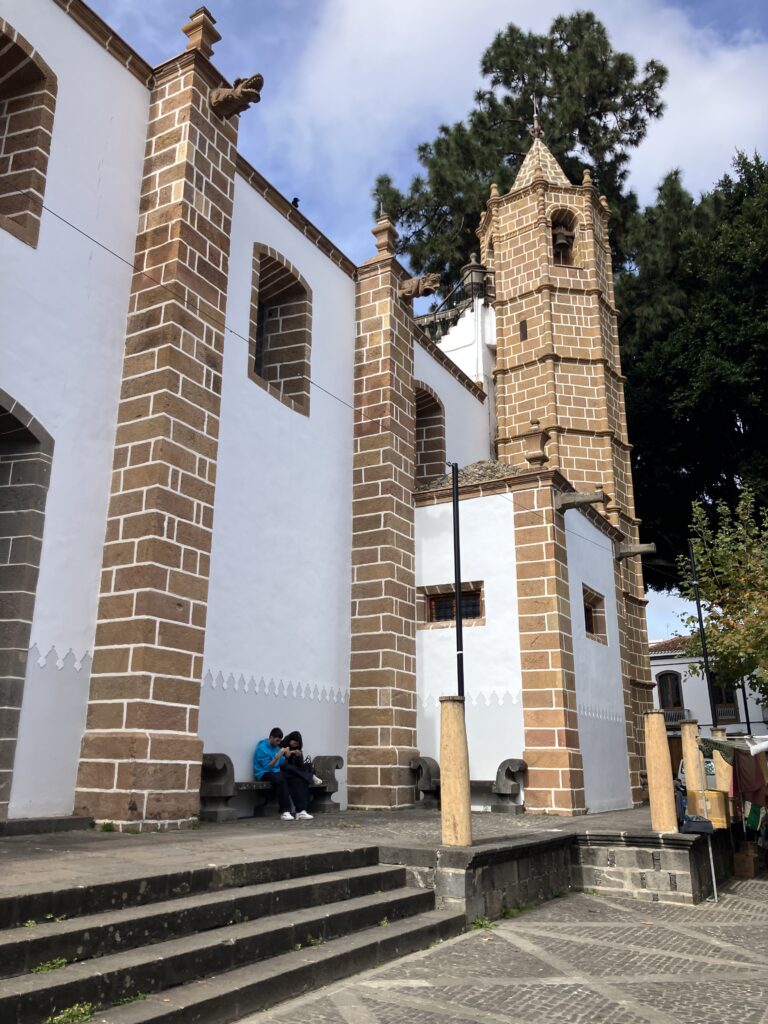
Las Palmas, (not to be confused with the island of La Palma), is Spain’s 8th largest city and the largest in the Canary Islands. Here, the city buzz spills directly onto Las Canteras, a large yellow sand beach. Here you can start your day with a morning power walk on the promenade, take a surf lesson and finish eating dinner overlooking the ocean.
Gran Canaria’s versatility makes it ideal for a quick and sunny city break, as well as a longer island adventure. Outside of Las Palmas you’ll find dunes and resorts in the south, quaint villages and Canary architecture in the north, and a UNESCO world heritage site showcasing pre-hispanic temples, cave dwellings and granaries,
Lanzarote: Volcanic Rock, Art and Wineries
Raw and volcanic, Lanzarote is undeniably striking. This is most apparent in the vast lava fields of Timanfaya National Park where volcanic geothermal power is close to the surface and used by the park´s restaurant to cook meat dishes. In this rugged land of contrasts, you’ll wonder how small plants and trees survive with no obvious soil or water in sight.
For culture lovers, a visit to the house and work space of Lanzarote born Cesar Manrique is a must. The artist and sculptural architect is known for blending art with the unique natural landscapes around him and he played an important role in shaping the island´s aesthetic. His most iconic works such as Jameos del Agua and the Mirador del Río can be visited in Lanzarote, although his influence and artistic projects extended across the Canary islands and beyond into mainland Europe.
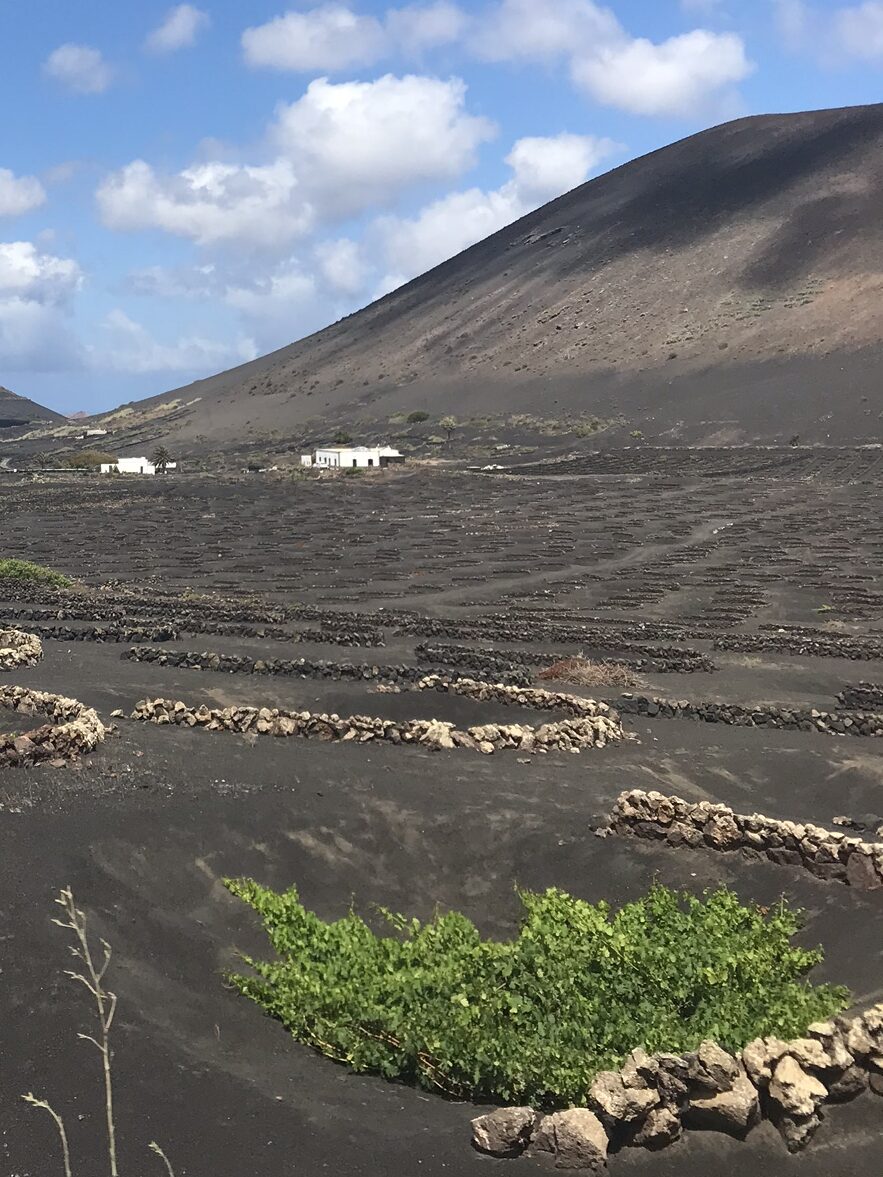
Given how dry and volcanic Lanzarote is, it may come as a surprise that there is a thriving wine industry on the island. Whether you like wine or not, a visit to the vineyards of La Geria is well worth the time to observe the curious dry farming cultivation of grapes in a drought ridden area of lava rock.
Fuerteventura: Wind Sports and Golden Sands
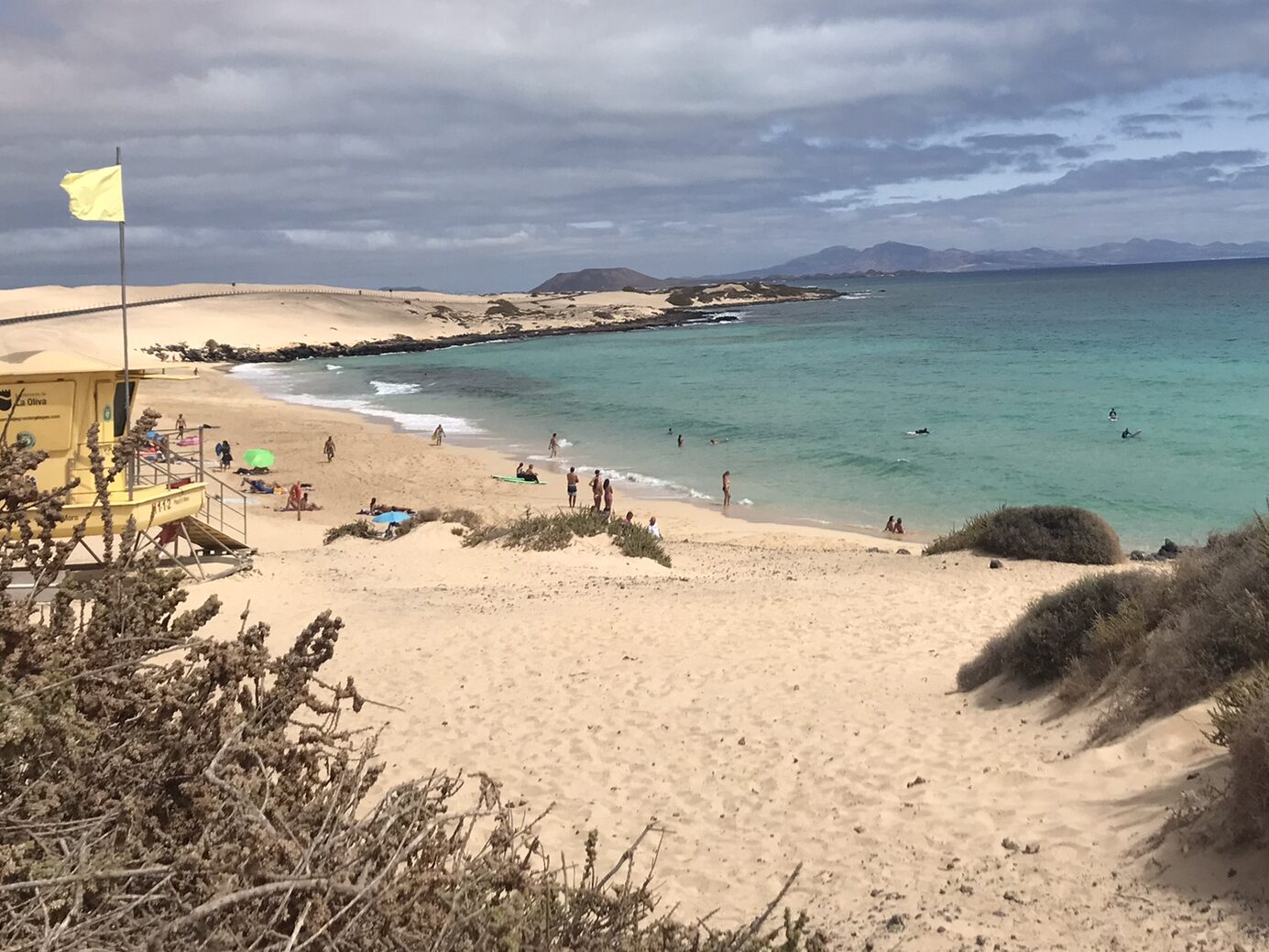
Golden dunes and endless beaches define Fuerteventura, an island made for those looking for deep relaxation or active water sport adventures. The island offers hundreds of kilometers of beaches and blue ocean, waves and wind for surfing, windsurfing or kitesurfing.
Fuerteventura is surprisingly long – it’s the third largest island in the archipelago. Most visitors will base themselves around the north or south and explore from there. Small resort communities center around Corralejo, Caleta de Fuste and Costa Calma provide tourist infrastructure without feeling overwhelmingly overrun.
While the island lacks forests and trees, the long uninterrupted horizon and coastline are anything but boring. Sand dunes, ocean water and sky colors constantly vary with the light, making the landscapes seem like you are seeing it for the first time. Fuerteventura’s essential to-do list contains eating local goat cheese, visiting neighboring satellite island and bioreserve Lobos and catching a blissful sunset from the western side of the island.
La Palma: Starry Nights and Spectacular Hikes
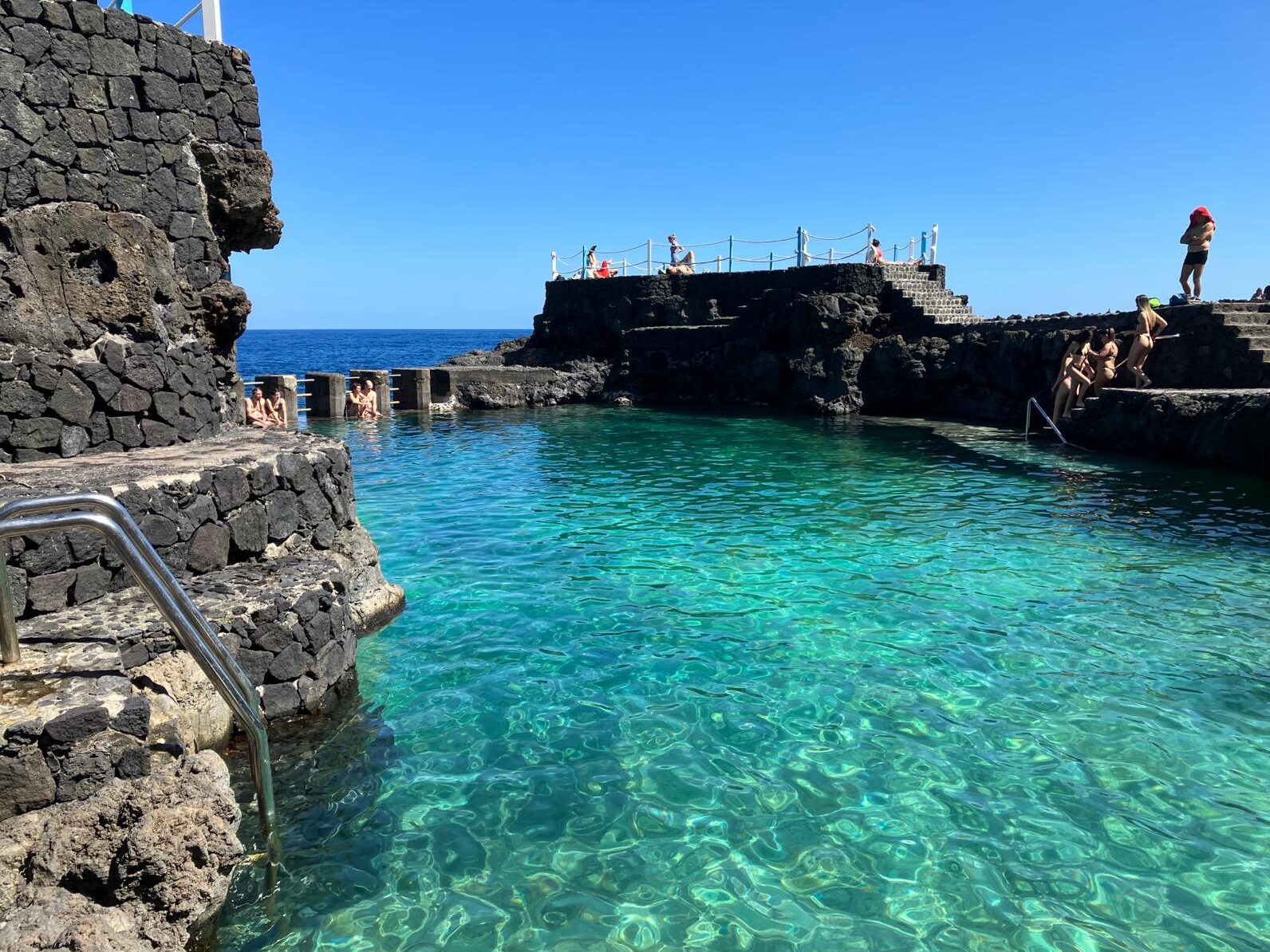
MInimal light pollution and high mountain peaks have made La Palma’s Roque de los Muchachos Observatory one of the most important astronomical sites in the world. But you don’t need a high powered telescope to get a great view of starry night time skies. On clear nights, thousands of stars twinkle brightly, offering an incredible view of the world above.
As one of the smaller islands in the Canary archipelago, La Palma offers quiet nights, great nature and stunning panoramic views. Its landscapes and relaxed vibe make the island especially appealing to visitors seeking an easy going atmosphere and connection to the outdoors.
Additionally, La Palma was the site of the most volcanic recent eruption in the Canary Islands in 2021. Today tourists can walk across freshly cooled lava, visit volcanic tunnels and contemplate the powerful natural forces continuing to shape the island.
La Gomera: Mellow Vibes and Hardcore Hiking
Often referred to as the “Jurassic Park” island for it´s dramatic landscapes and dense green forests, La Gomera’s deep ravines and misty forests are sure to wow anyone wanting a more rural and green experience. Despite being close to Tenerife’s southern coast, La Gomera has avoided mass tourism by fostering small scale accommodation options.
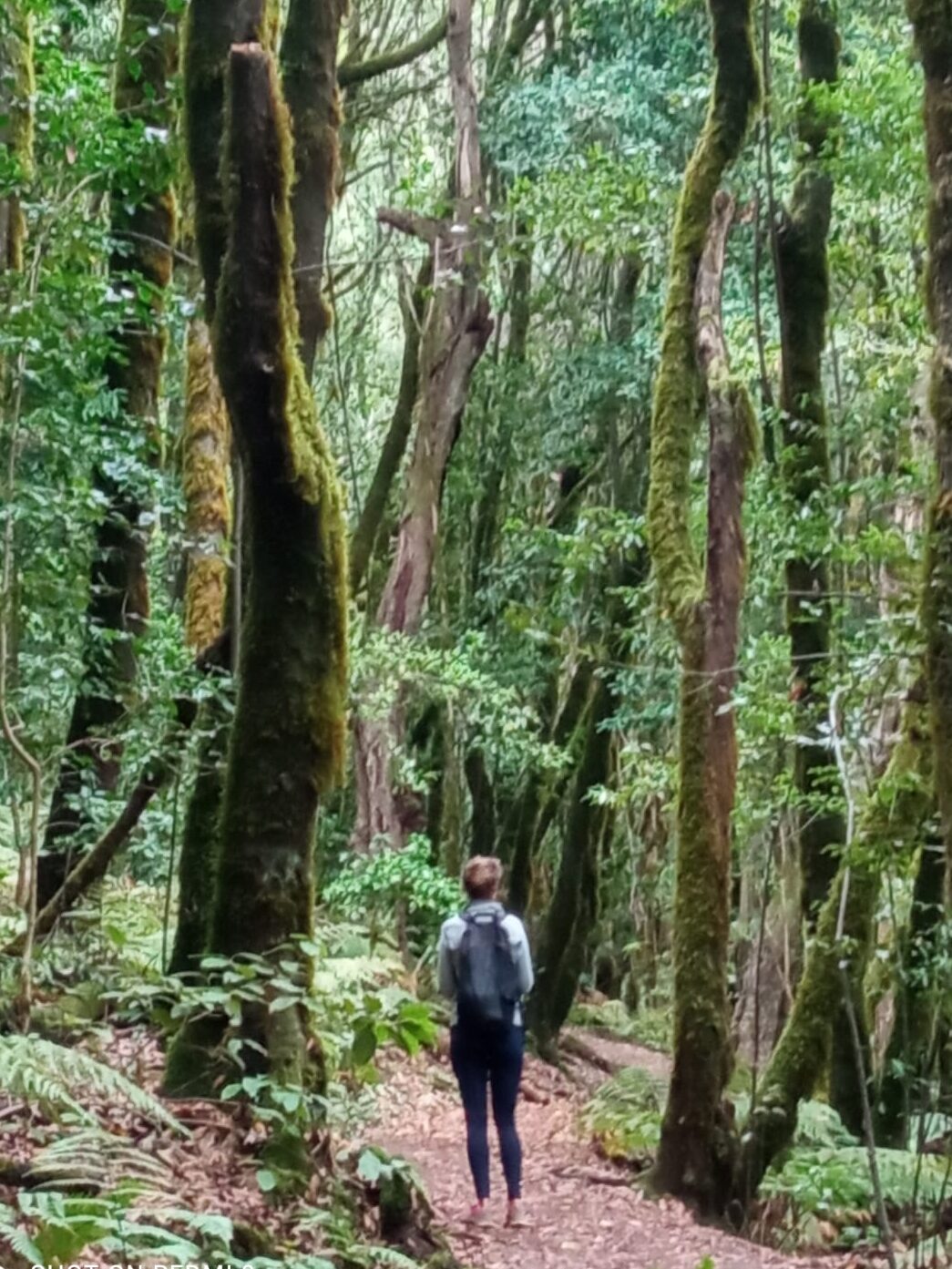
The island is a true paradise for serious hikers. The terrain is steep and challenging, but those who accept the difficulties are rewarded with stunning views across the island, the Atlantic ocean and often the Teide, Spain’s tallest mountain located on neighboring Tenerife.
Most visitors base themselves on key points throughout the island including San Sebastian, Puerto de Santiago, Hermigua or Valle Gran Rey. Each has its own character and Valle Gran Rey perhaps most well known for the bohemian atmosphere where German bakeries sit next to more traditional cafes and local restaurants.
El Hierro: Diving and Slow-Paced Exploring
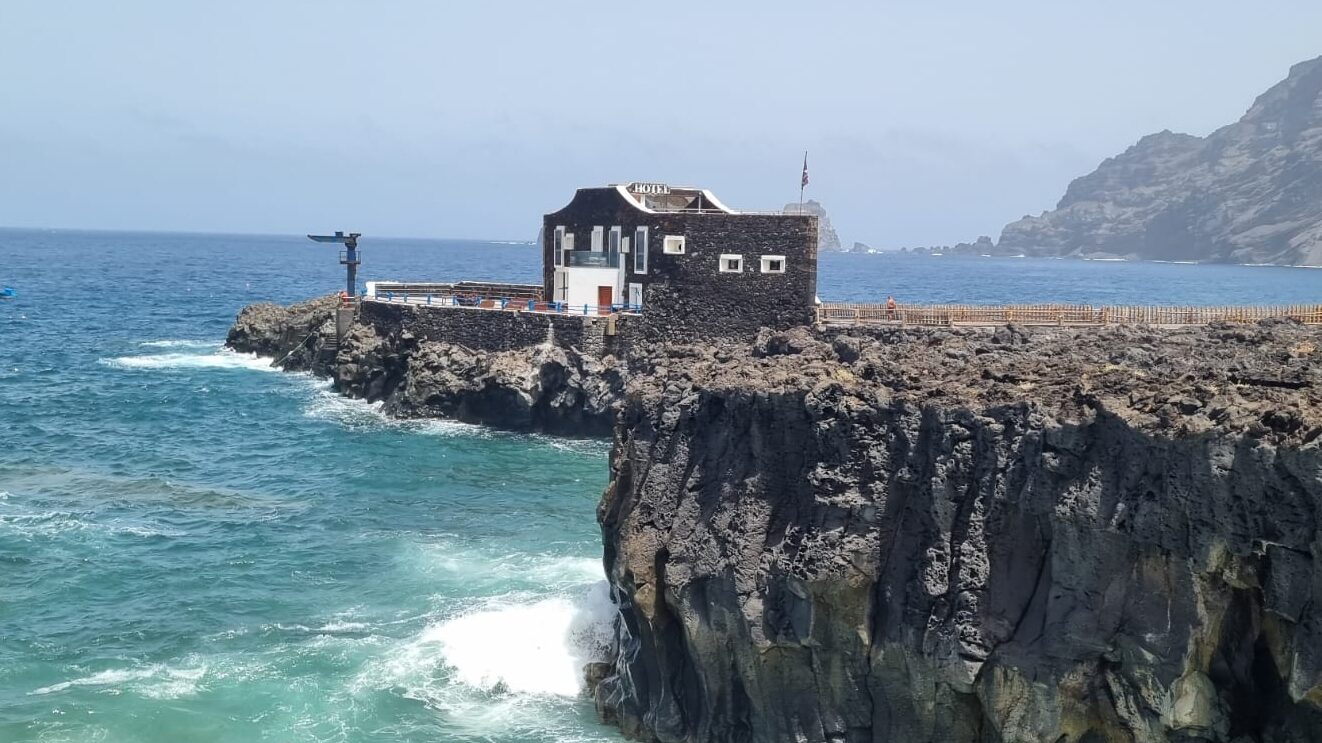
El Hierro is the second smallest island in the Canaries by both landmass and population, and the archipelago´s most westerly point. For those who arrive by plane, exiting the aircraft requires you to walk across the runway to the small airport with one short conveyer belt for baggage. Mass tourism is limited in favor of sustainability with a project in the works for El Hierro to become self-sufficient and use energy from 100% renewable resources. .
Life moves slow here. You’ll find small towns, uncrowded swimming spots and local food in the supermarkets from cheese to pineapples. The smaller size of the island makes it easy to explore and to feel homey after a short period of time. There are no highways, and famously only one traffic light on the island. Those seeking peace and solitude will find it easy to be undisturbed.
Given the number of swimming spots, visiting is generally better in the spring and summer when the water temperatures have risen. Diving is also a large draw to the island. Boats leave from La Restinga and bring divers to protected waters where rays, eels and colorful fish can be seen.
La Graciosa: Disconnect From it All
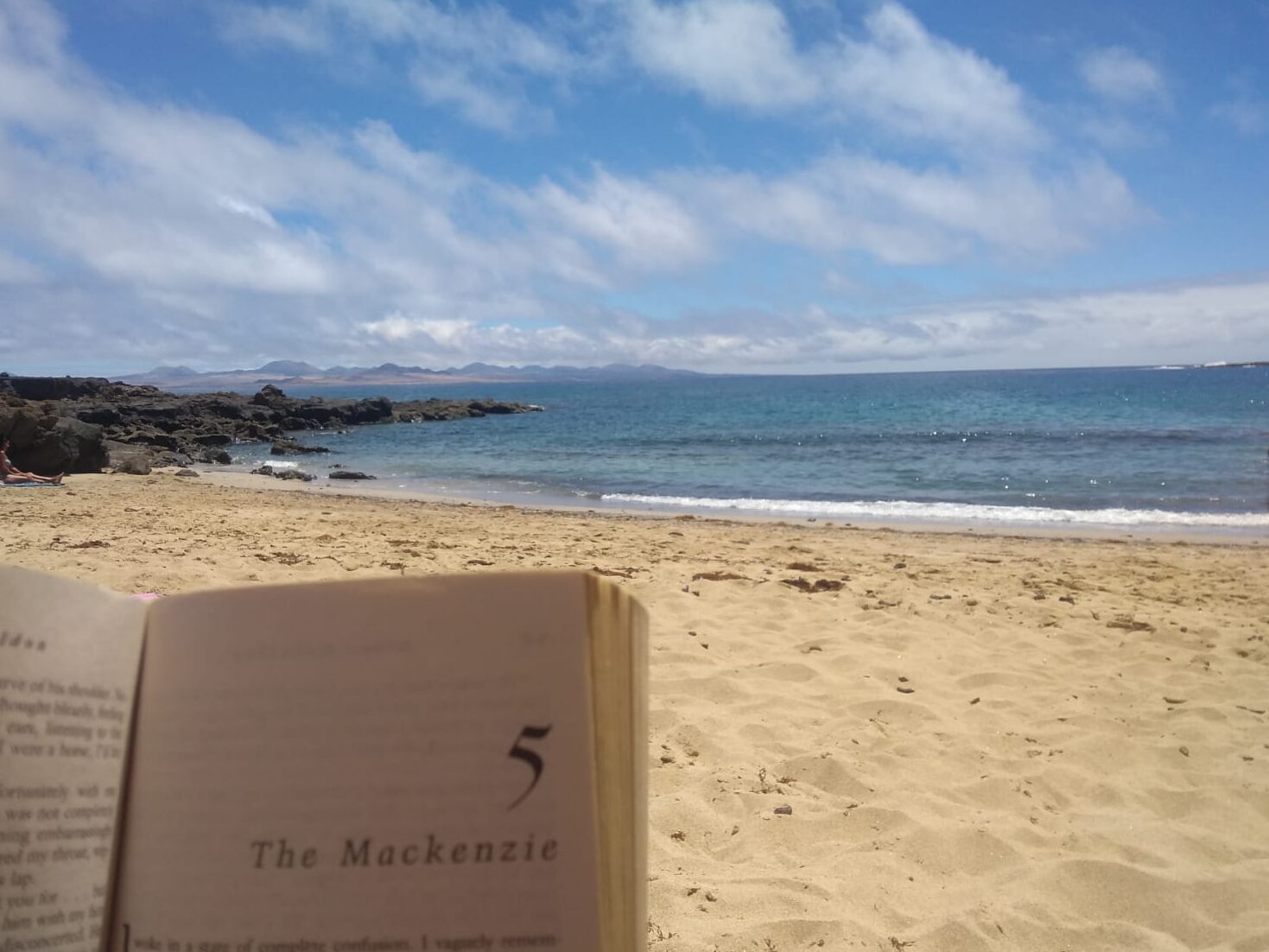
La Graciosa is the newest officially recognized and incorporated island in the Canary archipelago. Administratively it was an extension of nearby Lanzarote, until it was granted formal island status in 2018. The island has a registered population of 700, but that number feels too high when you walk around. There are no asphalt roads on the island, just a few sandy tracks for the limited number of authorized vehicles. La Graciosa is by far the most untouched and low key destination in the archipelago.
Most people arrive for a day trip on a half hour ferry from Lanzarote. Those who have the time can extend a day or two to experience the night time stillness and isolation. There is little infrastructure outside of the main village around the port and exploring the virgin coastline is limited to renting a bike or walking sandy tracks.
The island is unspoiled and completely removed from the usual trappings of modern life.