From dramatic ravines to leafy green landscapes, La Gomera is the perfect island for nature lovers and slow travelers. Home to just over 20,000 inhabitants, this small landmass was Christopher Colombus’ final refueling stop before sailing across the Atlantic and “discovering” the Americas.
La Gomera’s spectacular geography forces you to slow down. There are no highways on the island; just winding mountain roads bringing you from one small village to the next. Despite the island’s dramatic landscapes, locals have quietly adapted to the challenges of everyday life here. Crops are grown on steep terraced hillsides and some residents still communicate using the Silbo Gomero, a unique whistle language developed to pass messages quickly across mountainous terrain.
Although access to La Gomera is relatively easy (a short 45 minute ferry ride from southern Tenerife), the island has avoided mass tourism. It’s a quaint and charming stop for those in search of an off the beaten track experience.
Wondering where to stay and what to do during your holiday? Discover the best the island has to offer in this beginner’s guide to La Gomera.
Things to See and Do in La Gomera
Hike in Garajonay National Park
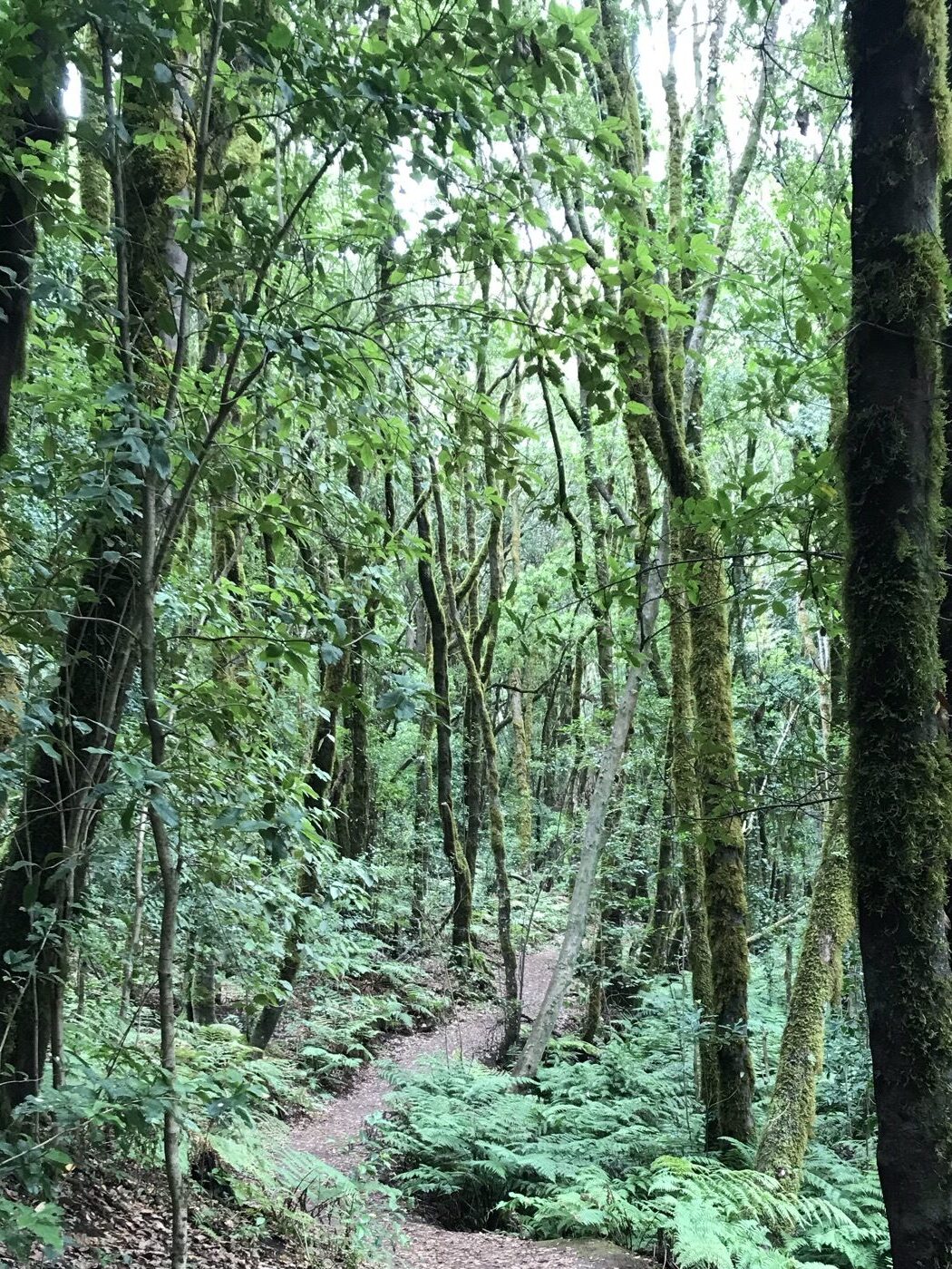
The island’s most popular attraction is the Garajonay National Park, a UNESCO World Heritage Site covering roughly eleven percent of the island. The magically misty laurel forest is home to a wide range of endemic flora and fauna whose survival depends on the higher moisture content in this area.
The park boasts trails for all abilities from short scenic walks to full-day hikes through forests, impressive viewpoints and steep mountain terrain.
Visit Valle Gran Rey
This laid back town is the island’s most popular tourist center and offers a range of hotels and self-sufficiency apartments. Stroll along the waterfront promenade, sunbathe on black sand beaches and revel in the picturesque surrounding valley.
Admire the Views from MIrador de Abrante
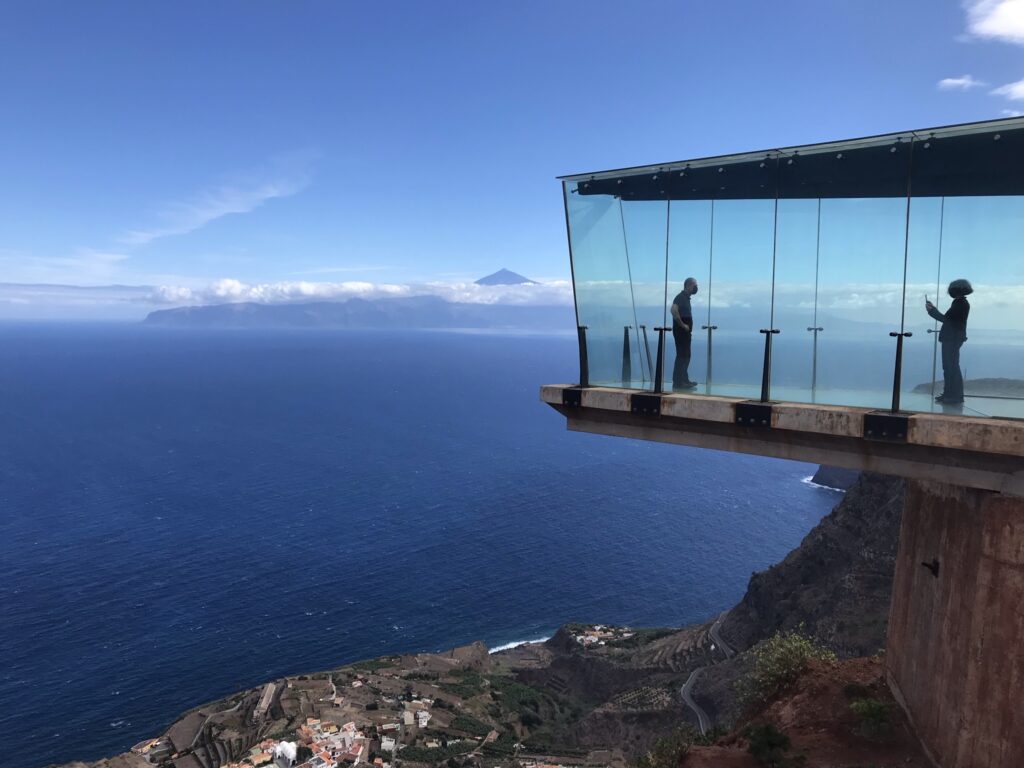
You don’t need to go far to find a scenic viewpoint in La Gomera. That said, Mirador de Abrante is the most famous and arguably the most stunning of them all. Its glass viewing platform allows visitors to walk out over a cliff for panoramic sea views and a glimpse of Spain’s tallest mountain, the Teide, on neighboring Tenerife.
Explore San Sebastian de la Gomera
Wandering the streets of La Gomera’s capital won´t take long, so do so slowly. Admire traditional Canary architecture, peep into small local bakeries and have a coffee at a waterfront cafe.
Try Traditional Canarian Cuisine
Canarian food is simple, rustic and very local. Look out for traditional foods like almogrote (a cheese spread), poteaje de berros (a vegetable filled watercress soup), and classic desserts like quesillo (a flan like dessert using condensed milch).
Where to Stay in La Gomera
La Gomera is small, but its mountainous terrain means it can take longer than expected to travel between villages and sights. Choosing the right place to stay based on what type of holiday you want is critical.
Valle Gran Rey
Valle Gran Rey is the most popular holiday destination on the island. It boasts a range of accommodation styles, a small collection of nice restaurants, bars, and cafes as well as the odd German bakery, a waterfront promenade, beautiful sunsets, easy access to hiking trails and the beach.
San Sebastian de la Gomera
The island’s capital is ideal for shorter stays or for those who plan to use public transport rather than renting a car. It has a pleasant downtown and an easily accessible black sand beach.
Hermigua
Hermigua is quieter town nestled in a green valley in the north of the island. It’s best for peaceful escapes, hiking and easier access to Garajonay National Park
Playa Santiago
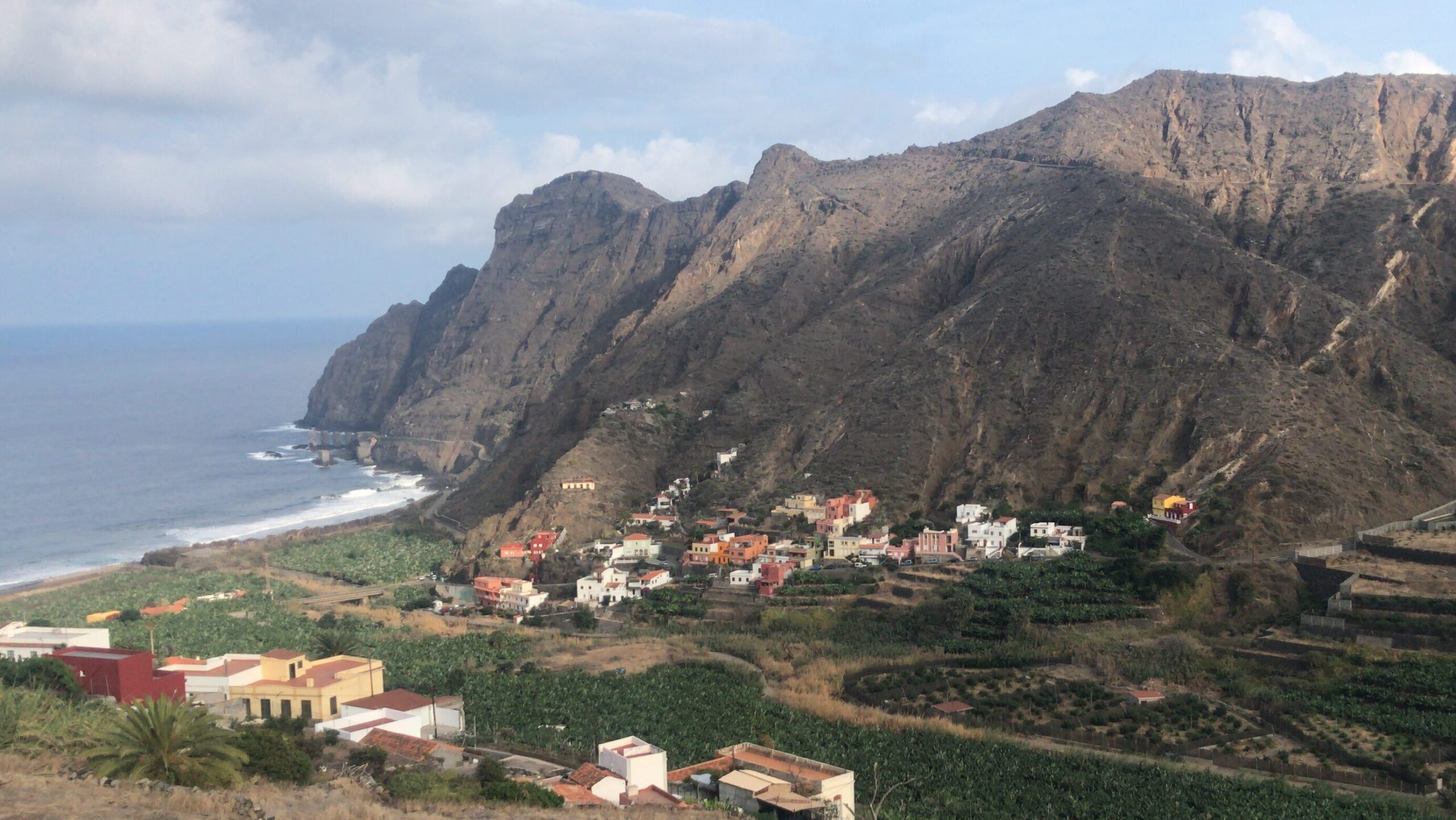
Playa Santiago is a small town on the south side of the island with a quaint waterfront and easy beach access. There is more reliable sun in this area of the island making it an excellent place to stay during the winter.
How to Get Around La Gomera
Car Rental: A rental car is recommended to reach hiking trails, scenic viewpoints and the national park.
Public Transport: The island has reliable public transport however routes are limited and service infrequent as compared to larger islands making it difficult to reach more isolated areas.
Taxi: Best for shorter journeys and airport transfers.
Best time to visit La Gomera
La Gomera is a year-round destination for nature lovers.
Spring (March – May): Great for hiking and exploring Garajonay National Park.
Summer (June- August): Ideal timing for a beach holiday or diving. Expect the hottest temperatures in July and August.
Autumn (September – November): Air temperatures cool just enough to make for excellent hiking weather. Sea temperatures will stay warm even after August making earlier on in the season a good time to swim as well.
Winter (December – February): This season can be cooler and cloudier in the north. For more consistent sun, head to the south of the island. This is traditionally high season in the Canary islands, but this is less obvious in La Gomera as the island receives far fewer tourists than the larger islands of Tenerife or Gran Canaria.
Average Daytime Temperatures
| Season | Coast | Garajonay National Park |
| Spring | 21–24°C (70–75°F) | 14–19°C (57–66°F) |
| Summer | 25–28°C (77–82°F) | 18–24°C (64–75°F) |
| Autumn | 23–27°C (73–81°F) | 15–21°C (59–70°F) |
| Winter | 20–22°C (68–72°F) | 11–15°C (52–59°F) |
Travel Tips
- Give yourself more time to explore. La Gomera looks small on the map, but there are no highways on the island and travel takes time.
- Rent a car. Public transport is infrequent. Many of the most popular hiking trails and viewpoints are much easier to reach by car.
- Prepare for changes in altitude. If you are planning to hike, visit the mountains or the National Park, you´ll want to have layers prepared for cooler temperatures at higher altitudes.
- Eat where locals eat. La Gomera is an excellent place to try traditional Canarian foods.