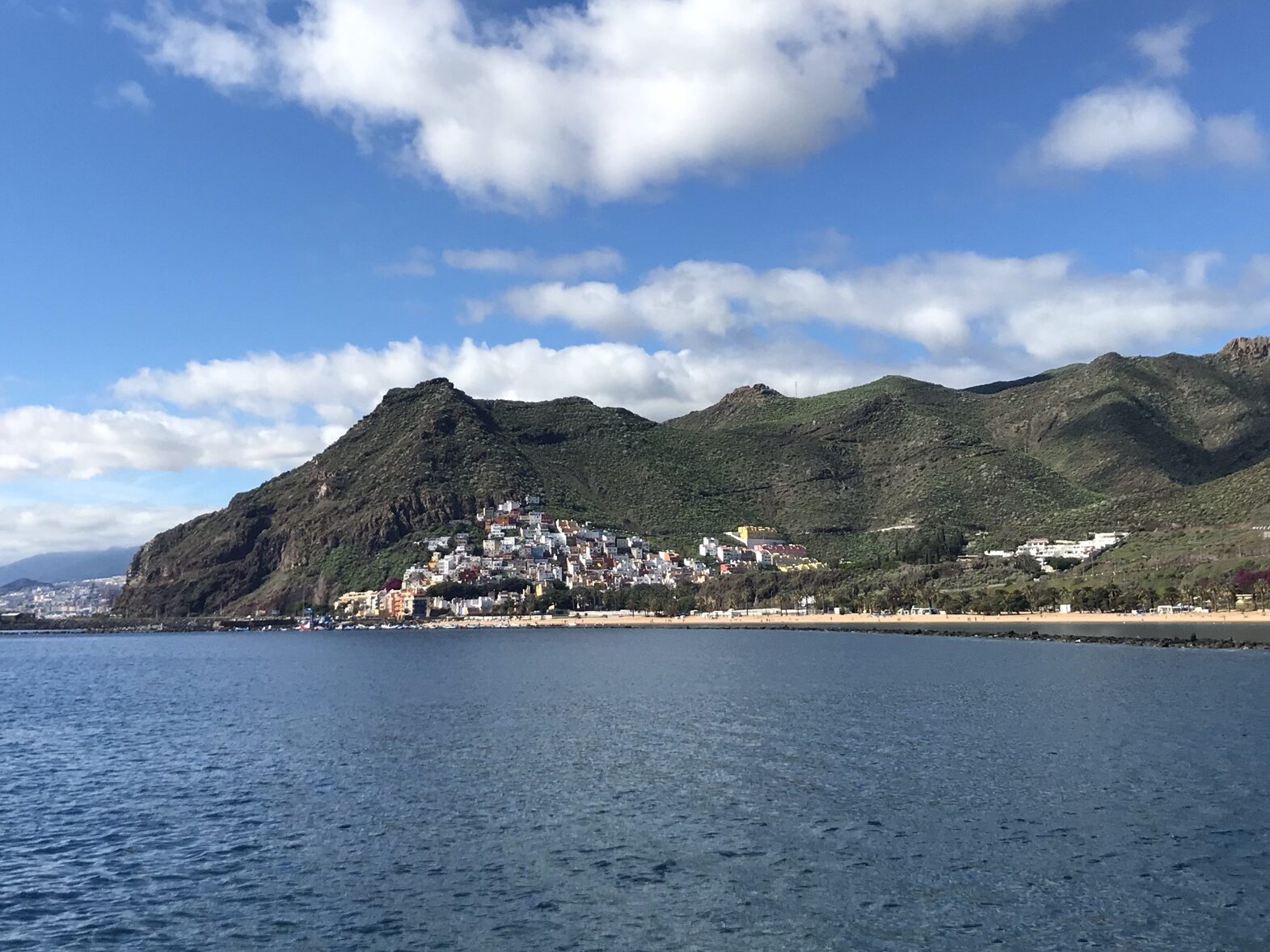
Maybe you were furiously typing “sunny destinations” into google, maybe you were staring at a world map and suddenly realized there were islands, belonging to Europe, right off the coast of Africa. Or maybe, you saw a flight deal that was too good to pass up.
Whatever the reason, the Canary Islands seemed a curious corner of the world to explore. Whether you are escaping winter, looking to relax or have an outdoor adventure, there is an island and an experience for you.
So, let the adventure begin! But, let´s not be a superficial tourist, shall we? To start, here is a quick, broad brush overview of the Canary Islands.
The Basics
The Canary Island archipelago consists of eight main islands and a few uninhabited rocky outcrops located in the Atlantic ocean off the coast of Morocco. Known for their mild climate and abundance of sun the archipelago has earned the nicknames the ‘-“islands of eternal spring”, “the pearl of the Atlantic” and the “Hawaii of Europe”.
The islands are a year-round travel destination although the best time to visit will largely depend on what activities you have in mind. From water sports to hiking, stargazing and whale watching, to partying, exploring towns and visiting wineries, everyone from families to couples and independent travelers of all ages can find something to enjoy.
Geographically the islands are African and are found just 108 kilometers off the coast of Morocco at their closest point. However, the colonization of the islands by the Spanish in the 15th century assured political, economic and cultural alignment with Europe.
The eight islands range widely in size, population and geography. La Graciosa, the smallest and most recently incorporated island, has a resident population of roughly 700. The largest and most populated island of Tenerife is home to just under 1,000,000 residents.
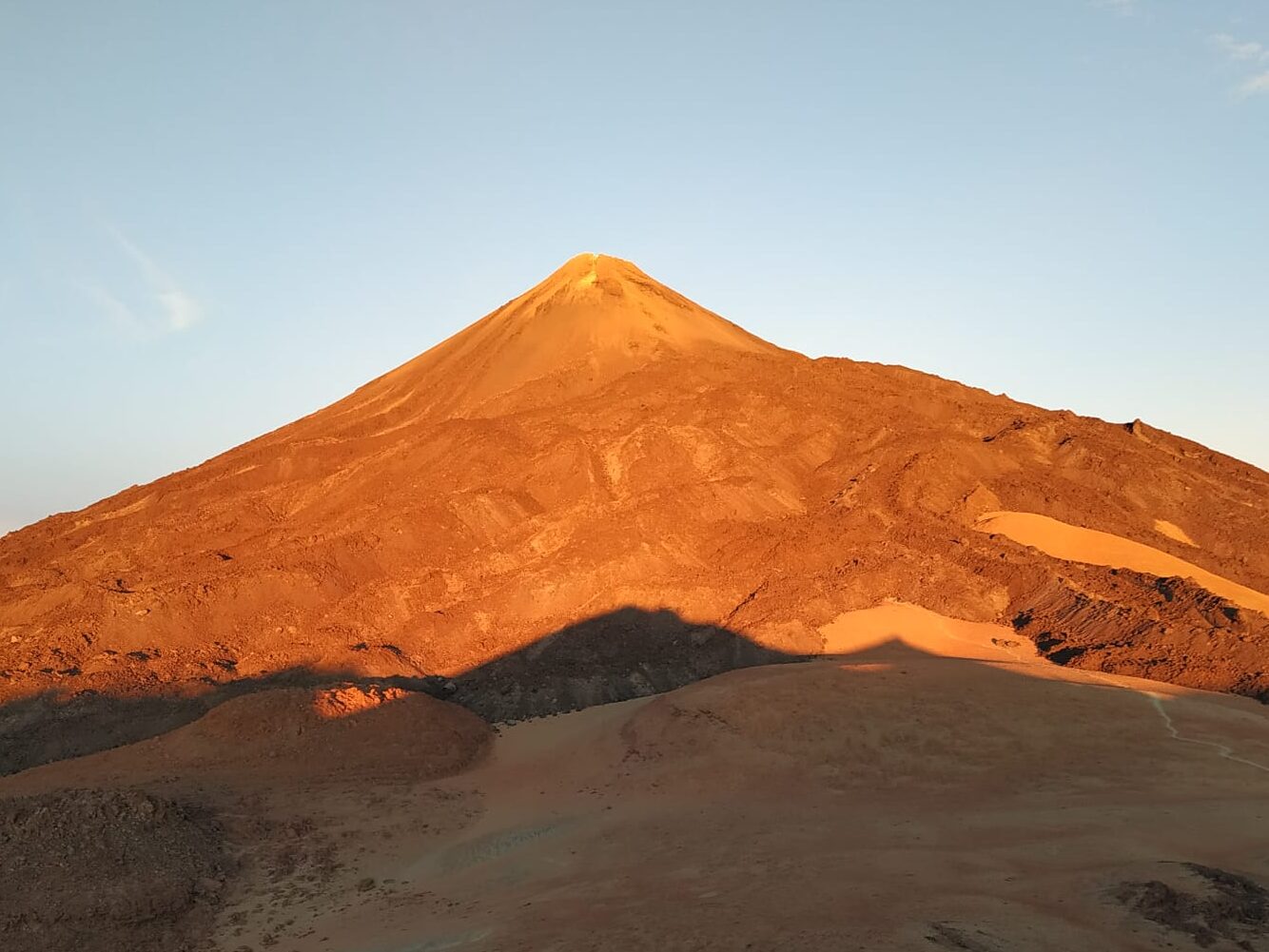
Beyond these contrasts, the Canary Islands are celebrated for their dramatic natural landscapes. The archipelago is home to Spain’s tallest mountain, Mount Teide, which stands 3,715 meters (12,188 feet) above sea level, as well as four national parks and seven UNESCO designated biosphere reserves.
Given the significant differences between islands, you might be surprised to learn that the islands are located relatively close to one another. On clear days, it is possible to see other islands from their neighbors. Despite their proximity, slight differences in geographic positioning dramatically impact each island’s climate and landscape. As a result, the northernmost islands of Fuerteventura, Lanzarote and La Graciosa are known for being much drier, while Tenerife and Gran Canaria feature a blend of both dry and green forested areas. The more westward lying islands of La Palma, La Gomera and El Hierro are characterized by greener scenery and leafy forests.
A Brief History
The Canary archipelago was formed by volcanic activity over millions of years creating the islands’ rugged terrain, dramatic ravines and lava rock coastlines. While the area is still classified as active, volcanic explosions are few and far between. Residents and visitors alike go about their daily lives with minimal reminders that the land beneath them was created by dramatic volcanic eruptions. Nonetheless, teams of scientists monitor seismic activity and underground magma movements to assess the risk of future eruptions. However, given the absence of regular eruptions and lack of earthquakes (thanks to the islands´ geographic position on a stable tectonic plate), you would be forgiven for forgetting the dramatic magma hot spot origin story of the island group.
From 1800 to modern day, there have been only six major recorded eruptions in the archipelago. The most recent explosion on La Palma in 2021 lasted for 85 days but resulted in no fatalities. The new stretches of land born from the eruption are now accessible to the public, providing an excellent opportunity to walk across cooled lava fields and learn about the powerful forces continuing to shape the islands.
Humans in the Canary Islands
Archeological evidence indicates Romans may have been the first visitors to the archipelago. But the first permanent settlers appear to have arrived from Africa. Genetic studies link these inhabitants to nomadic Berber populations of North Africa.
The term “guanche” is often used as a catch-all reference for the islands´ first permanent residents. In reality, each island was home to a distinct group with its own identity and name. The inhabitants from El Hierro are referred to as Bimbaches, those in Fuerteventura and Lanzarote are called Majos, in Gran Canaria they are named Canarios, in La Gomera named Gomeros, in La Palma they are the Benahoritas and in Tenerife, Guanches. Although genetically similar, there is little evidence the groups maintained contact with one another or identified globally as having a shared background.
How the first permanent inhabitants arrived to the archipelago and spread out among the islands remains a great mystery. Archaeological evidence is inconclusive but suggests the appearance of settlements as early as the 1st – 3rd century, over 2000 years ago.
A few theories exist to explain the migration of these individuals. One suggests they arrived by boats, possibly fleeing hunger, war or other hardships in Northern Africa. However no evidence has been found to support the claim that these populations possessed advanced seafaring skills. Another theory suggests they may have been transported to the islands as slaves and abandoned. While their arrival remains a mystery, the islands boast ample archeological evidence including cave dwellings, funeral sites, rock etchings and tools that offer clues about the daily life of early inhabitants. Additionally, observations of the local populations are preserved in documents written by European colonizers arriving in the 14th and 15th century.
As Europeans explored and mapped out maritime routes the archipelago gained importance as a strategic stopover point for boats heading across the Atlantic. Italians, French, Portuguese and eventually Spanish explorers passed through the islands for a variety of reasons including missionary work, territorial claims, land acquisition and commercial expansion. After years of contact among the European powers, it was eventually Spain who laid claim to the territory after conquering each of the islands from the previous inhabitants. Lanzarote was the first island conquered in 1402, Tenerife the last, in 1496.
Once all islands officially came under Spanish rule, a more intensive settlement process began. Land was distributed to settlers, religious institutions and military personnel. Work began to develop new towns and establish agricultural and economic systems. At the same time, European settlers were forced to fend off attacks from other European powers, most notably France and England, who recognized the strategic importance of the archipelago.
Ships headed across the Atlantic continued to use the islands as a stopover and refueling point. Most famously, Christopher Columbus stopped in La Gomera in 1492 prior to “discovering” the Americas. The archipelago´s strategic location transformed the area to a hub of maritime travel and trade and was an important stop in the slave trade. Most slaves were sent across the Atlantic, however some were forced to stay in the Canary Islands. It was their forced labor that built the early plantation economy in the archipelago.
The Economy
Sugar was the first dominant export of the islands. But when competition rose from the Americas, the Canary economy shifted to wine production. When international markets for wine shifted, the Canary Islands reinvented itself and began to cultivate Cochineal (red dye). Cochineal exports thrived in the 19th century, but declined with the invention of synthetic dyes. Production of agricultural products such as bananas, tomatoes and potatoes followed and have extended to modern day. As an export focused production economy, the Canary Islands suffered recurring periods of significant economic hardship and poverty resulting in waves of emigration abroad.
A significant turning point for the archipelago´s economy came with the rise of tourism. A slow trickle of visitors appeared on the islands as early as the late 19th century, but it wasn’t until the death of Spanish dictator Francisco Franco in 1975 and the country´s following transition to a democratic society, that the tourism sector exploded. Today, tourism is the driving force of the islands´ economy, accounting for over 35% of GDP. The visible production of bananas remains the archipelago´s most significant agricultural export, although revenue from this sector is massively overshadowed by the tourism industry.
Migration
Economic changes in the 19th century, including the collapse of the wine industry and eventually the Cochineal industry, were important push factors in a pronounced and consistent emigration in the archipelago. Island residents traveled across the Atlantic in search of better economic opportunities to Cuba, Venezuela, and in lesser numbers to Puerto Rico, Uruguay and Argentina, as well as Louisiana and Texas in the United States.
Emigration remained a defining feature of the Canary Islands during the 20th century that peaked throughout the 1930’s-1960’s due to economic hardship during the Spanish Civil War (1936-1939), and the subsequent dictatorship of Francisco Franco.
Beginning in the 1970’s and 1980’s the emigration pattern slowly started to reverse as economic opportunities improved in the archipelago. Many emigrants and their descendants returned from abroad. They were followed by waves of Cuban and Venezuelan immigration as political and economic crises took hold in those countries. These migration patterns reinforced long standing connections across the Atlantic and help explain why the Canary Islands, although politically belonging to Spain, have a distinct character and identity from the Spanish mainland. This transatlantic cultural identity can be seen in the language, food and music.
Which Island is Best for You?
The Canary islands offer sun and fun, and so much more for people who would like to dig deeper into its history and its cultural roots. With eight islands to discover, there is always something to come back for.