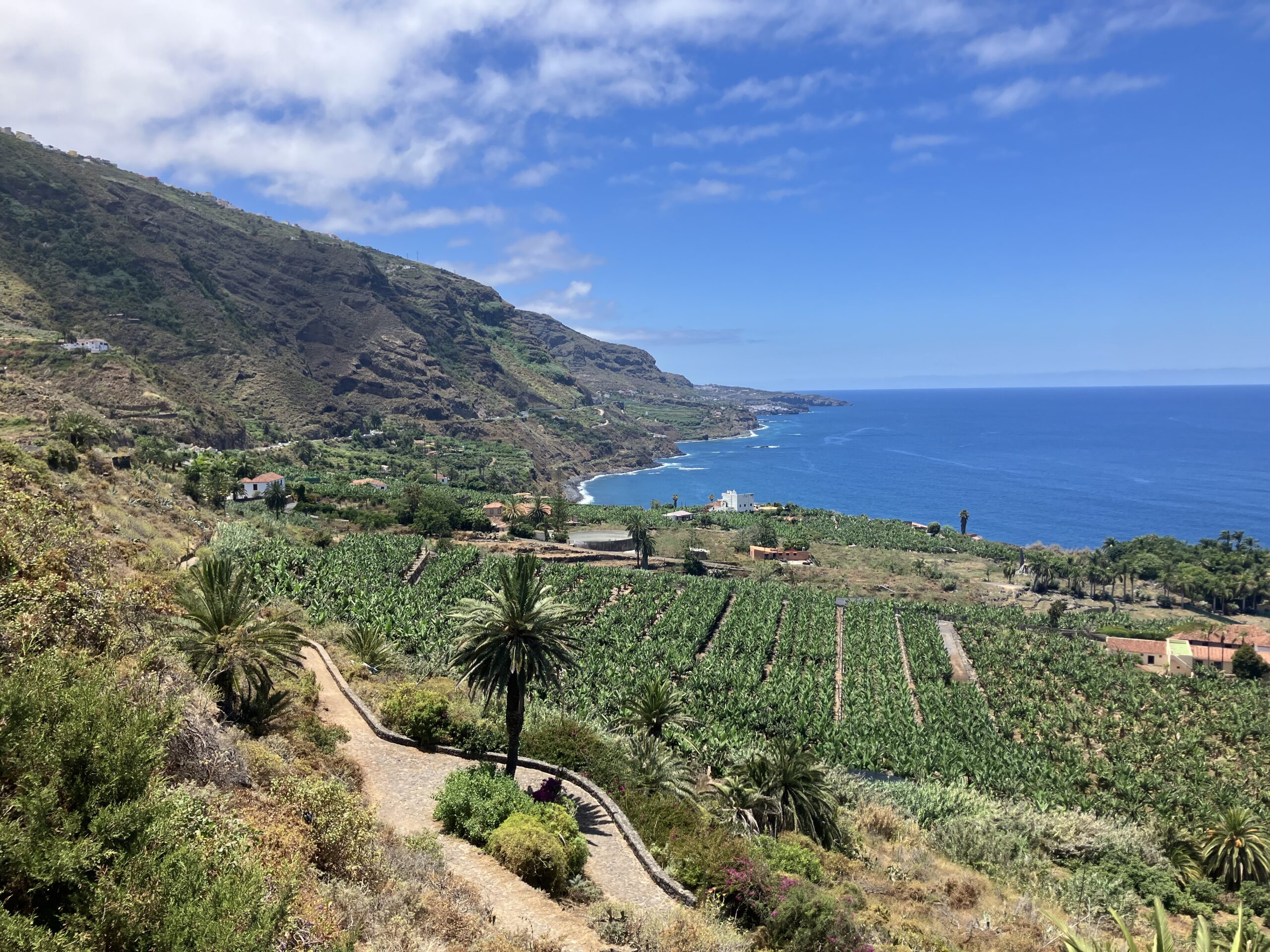
Playa de Castro: The Viral Beach And Why It’s So Hard To Visit
If you’ve been researching things to do around Puerto de la Cruz on social media, you have probably stumbled across videos about Playa de Castro.
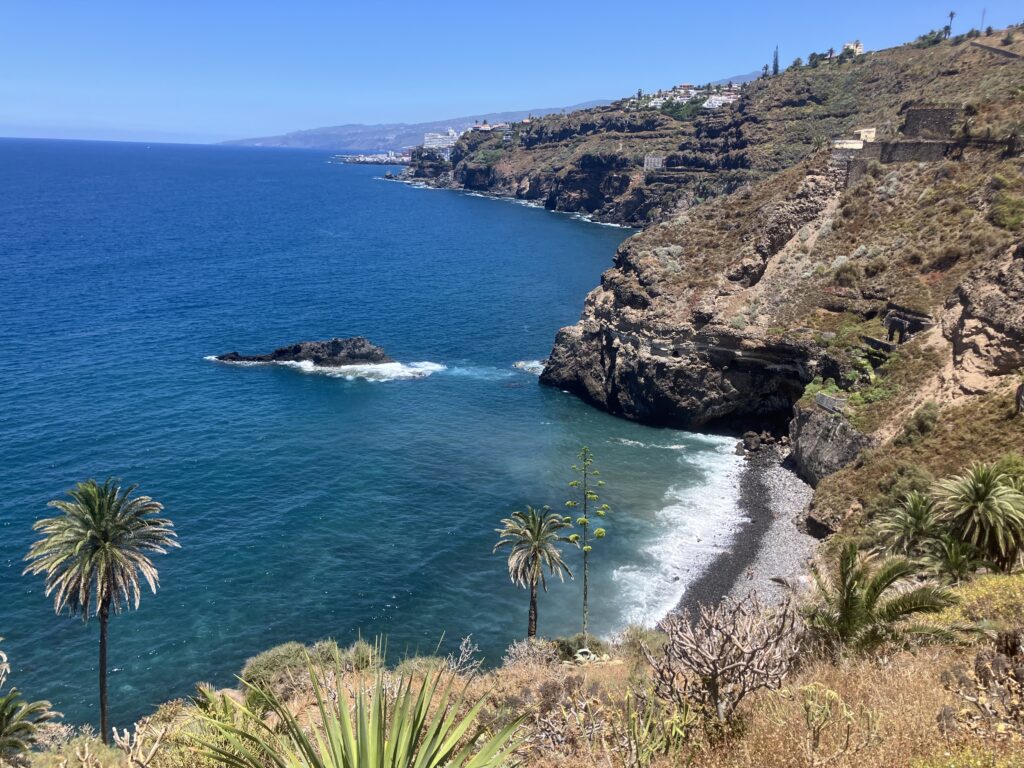
The beach is a wild stretch of black sand and rocks, nestled up against steep cliffs and dense, overgrown vegetation. During low tide, you can walk to a tiny cove where a small waterfall cascades into the sea. And while Tenerife is surrounded by ocean, there is an extreme lack of visible running water (creeks, rivers or waterfalls), which makes this spot all the more exciting.
Although Playa de Castro is right next to tourism hub Puerto de la Cruz, few people are willing to make the trek to the beach and tackle the stairs needed to reach it. As a result, visitors can feel as though they have discovered this little piece of paradise themselves.
There is an important detail though, that many online guides and social media posts don´t make clear: Access down to Playa de Castro is currently closed.
The beach is still worth seeing from above as part of an easy, but spectacular coastal walk through the Rambla de Castro Protected Area. Combining this with a pit stop at the viewpoint, Mirador de San Pedro, makes an excellent excursion from Puerto de la Cruz.
Planning a Trip to Puerto de la Cruz? Our Favorite Hotels:
⭐️⭐️⭐️⭐️ Hotel RUI Garoé – Click here for rates & availability
⭐️⭐️⭐️ Hotel DWO Nopal – Click here for rates & availability
⭐️⭐️⭐️ Apartamentos Casablanca – Click here for rates & availability
Why is Playa de Castro so popular?
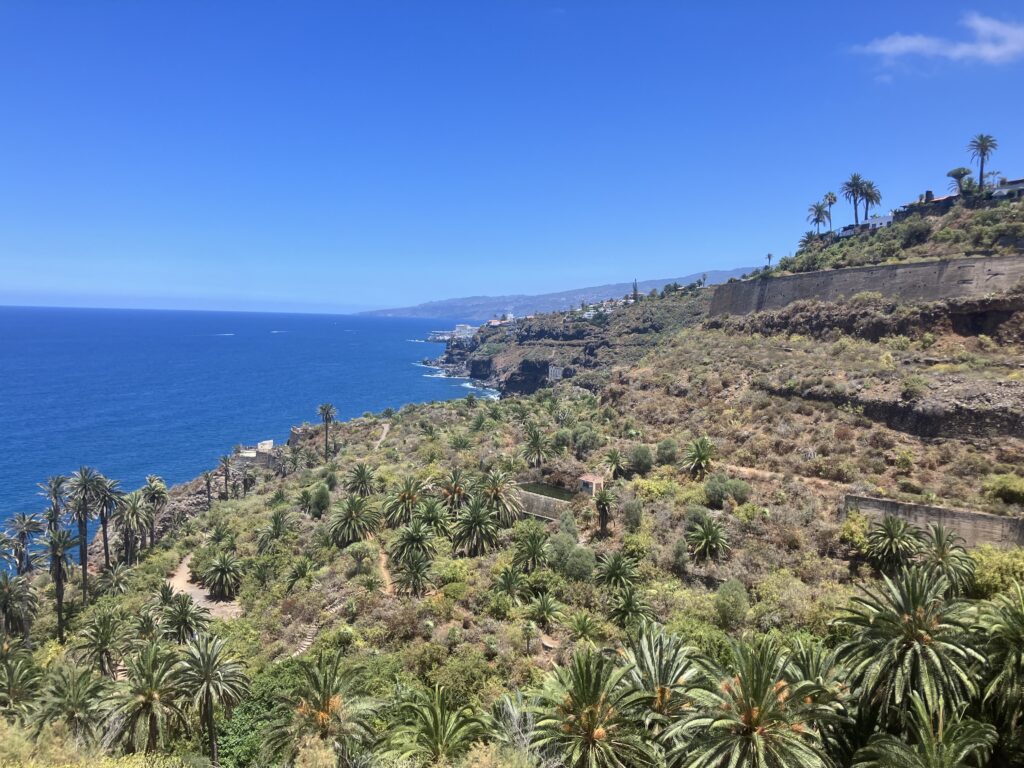
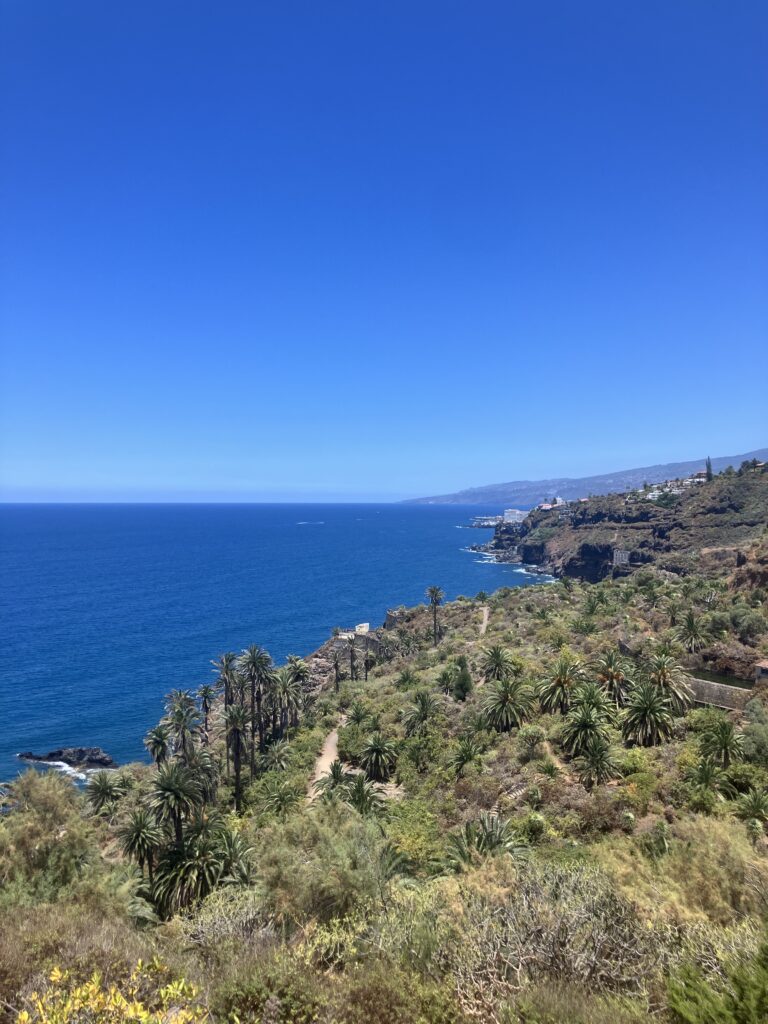
The beach is raw and the contrast between the ocean, black sand and green palm trees is striking. There are no rows of sun loungers, no beach clubs and no nearby apartment buildings. Just dense vegetation that blocks out the feeling that you are sharing an island with many other people.
One of the beach’s main draws is the rare and magical waterfall that flows most strongly after recent rainfall. Due to the complexity of access, tides and weather, the perfect waterfall shot at Playa de Castro is a bit of a bragging point among photo enthusiasts.
Where is Playa de Castro?
The secluded beach is located on Tenerife´s northern coast, in the municipality of Los Realejos, which is immediately west of Puerto de la Cruz. It is part of the Rambla de Castro Protected Area and is normally accessed through the protected land.
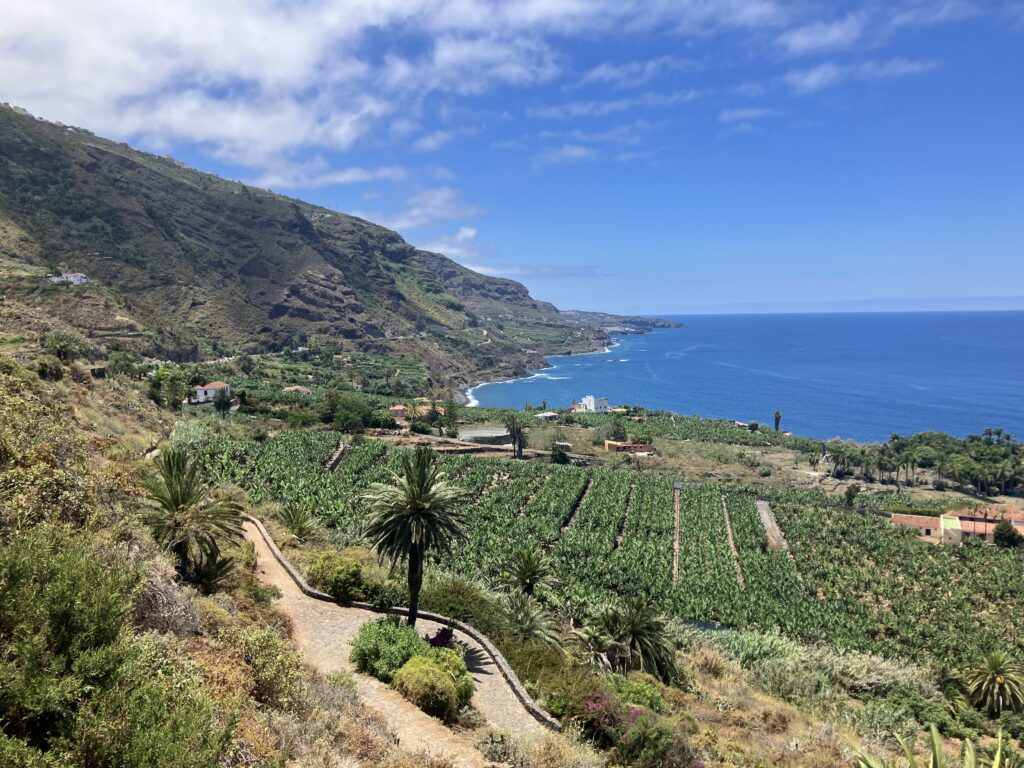
The Rambla de Castro Protected Area is a 45 hectare, coastal landscape along steep northern cliffs. The area has expansive viewpoints of the Atlantic ocean and nearby banana plantations and is a well known spot for scenic and nature photographers.
How to Access Playa de Castro
Currently it is not possible to access Playa de Castro. The access has been closed due to unsafe conditions including rock fall and erosion.
You may come across people who have ignored the barrier or bushwacked their way down to the beach. Don´t follow them! The path is officially closed.
Even though you cannot access the beach, a visit to the Rambla de Castro Protected Area is still highly recommended. You can view Playa de Castro from above, check out the spectacular coastline and walk through a natural area safeguarded from development.
How to Visit the Rambla de Castro & See Playa de Castro (From Above)!
The entrance to the Rambla de Castro Protected Area has limited, but free car parking. Search for the “Parking lot Rambla de Castro” in Google to find the exact location. Parking between this parking lot and the “Restaurante Mirador de San Pedro” can also be used.
Because parking is shared by visitors to the viewpoint, restaurant and the natural park space, parking can be tricky to find around meal times or on weekends.
The entrance to the Rambla de Castro Protected Area can also be reached by a short 10-15 minute taxi drive from Puerto de la Cruz.
And lastly, the area is also accessible by public transport. From Puerto de la Cruz, take the 383 bus to “La Tropicana”. The ride will take about 25 minutes from the main bus station in Puerto de la Cruz. From La Tropicana, it’s another 7-10 minute walk to the entrance of the Rambla de Castro on a protected, but not overly cared for sidewalk.
You can also take the 363 bus from Puerto de la Cruz to the stop “El Socorro”. However you’ll have a 7-10 minute walk on the unprotected edge of the highway to reach the entrance. Do people make the short walk? Yes. Is it worth avoiding if you can? Also yes.
What to do in the Rambla de Castro Protected Area?
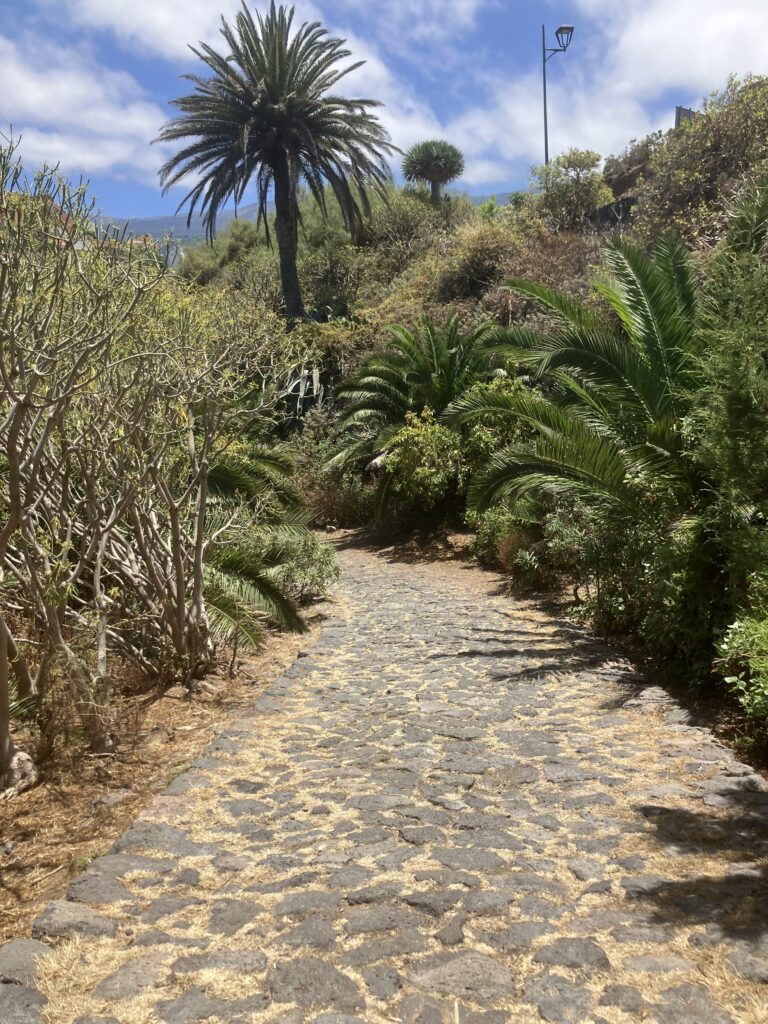
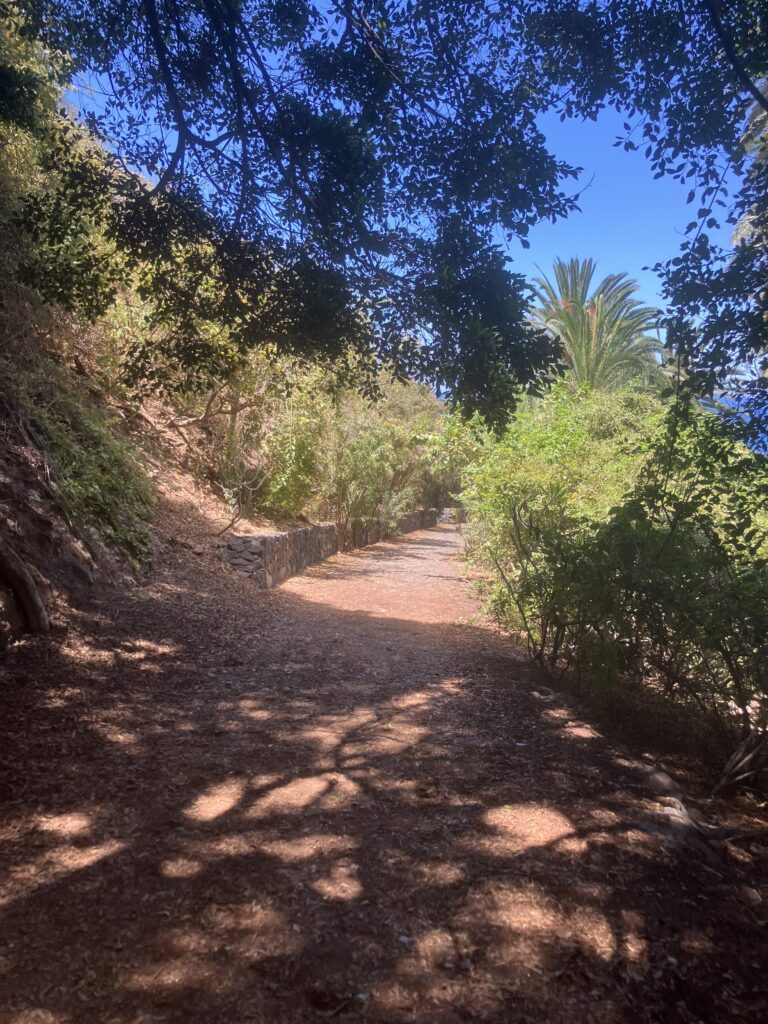
The Rambla de Castro Protected Area is an excellent place for a relaxing walk and taking plenty of pictures. Enjoy mostly flat dirt tracks and stone pathways, local flora and spectacular coastline views. Below are some things not to miss in the area.
Mirador de San Pedro
A stunning must-see viewpoint overlooking banana plantations and the sea. The viewpoint is at the main entrance to the Rambla de Castro Protected Area.
Want to enjoy the views a little longer?
Grab a drink or order food from Restaurante Mirador San Pedro. They serve a good variety of Spanish and international dishes, including a limited number of vegan and vegetarian choices.
Haciendo de Castro
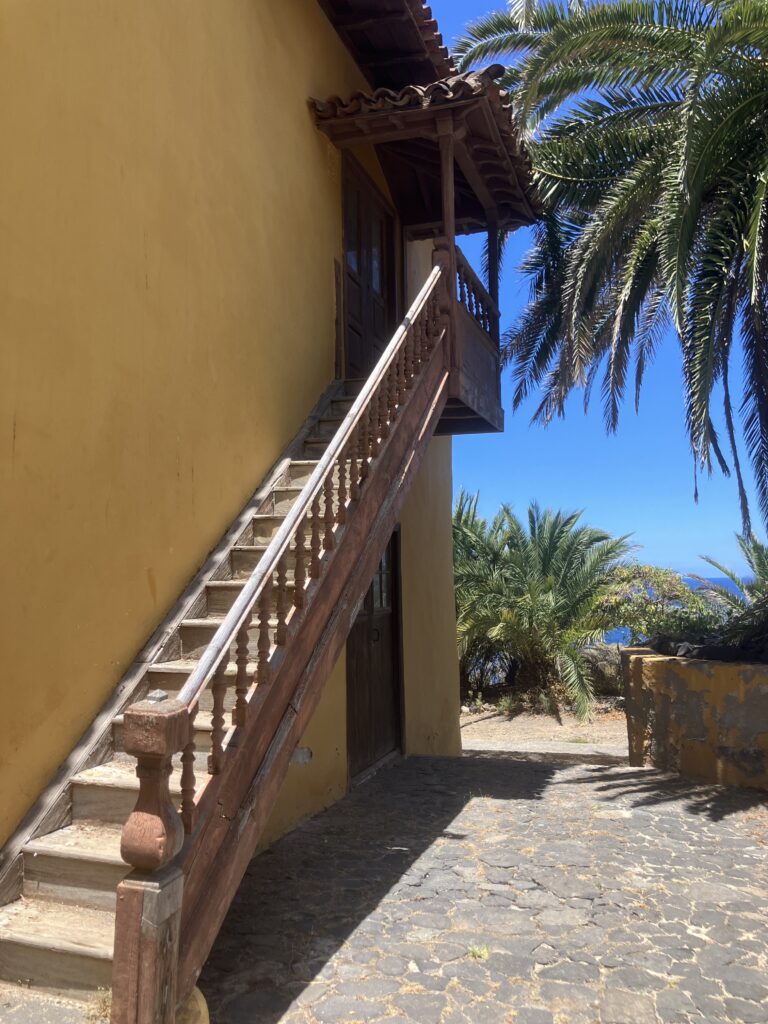
Among the trees visitors will find one large, yellow building with a tiled roof and wooden windows and doors. The property was built and added onto during the 17th and 18th centuries and is the oldest preserved home of this type on the northern coastline.
San Fernando’s Fort
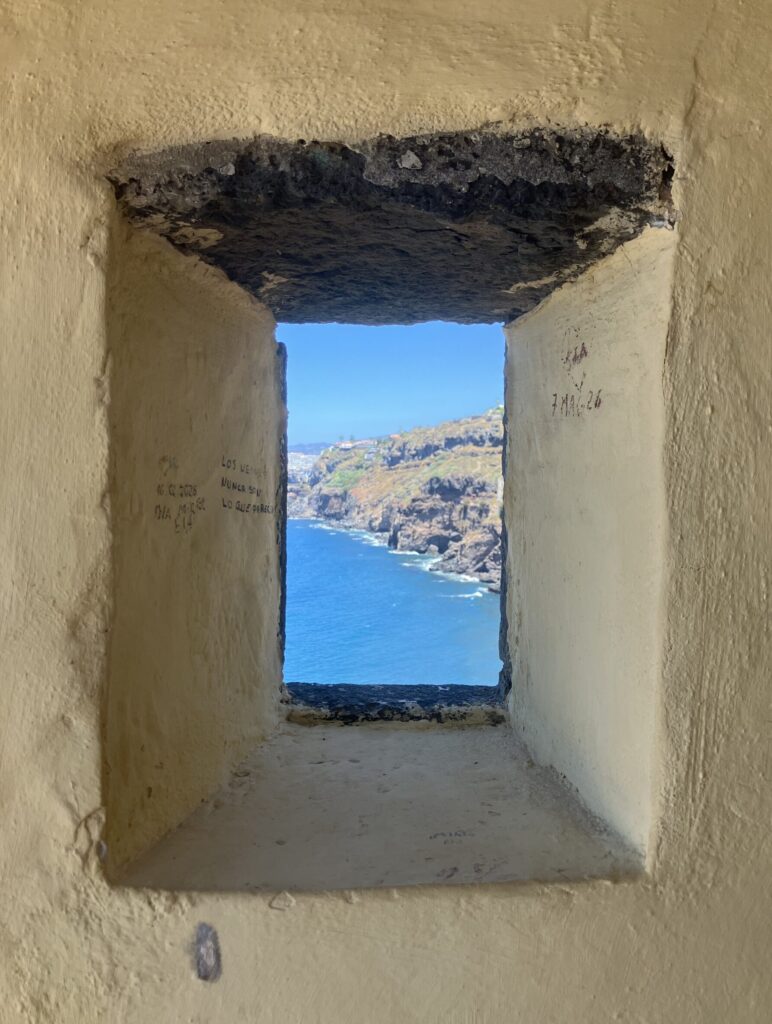
This stone structure was built in the 18th century as a defense post, protecting the island from pirates. Originally outfitted with five cannons, a few remain for show. The fort is the best viewing point for Playa de Castro and has excellent visibility of the coastline to both the north and south. There is a covered, shaded area to sit within the rustic fort.
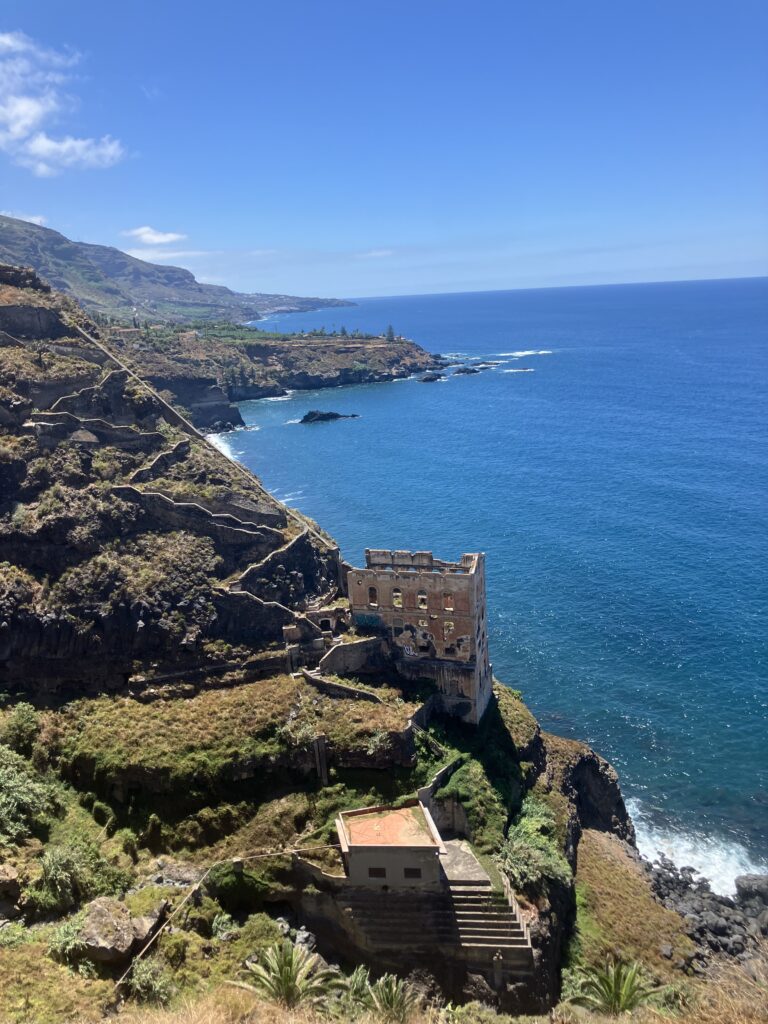
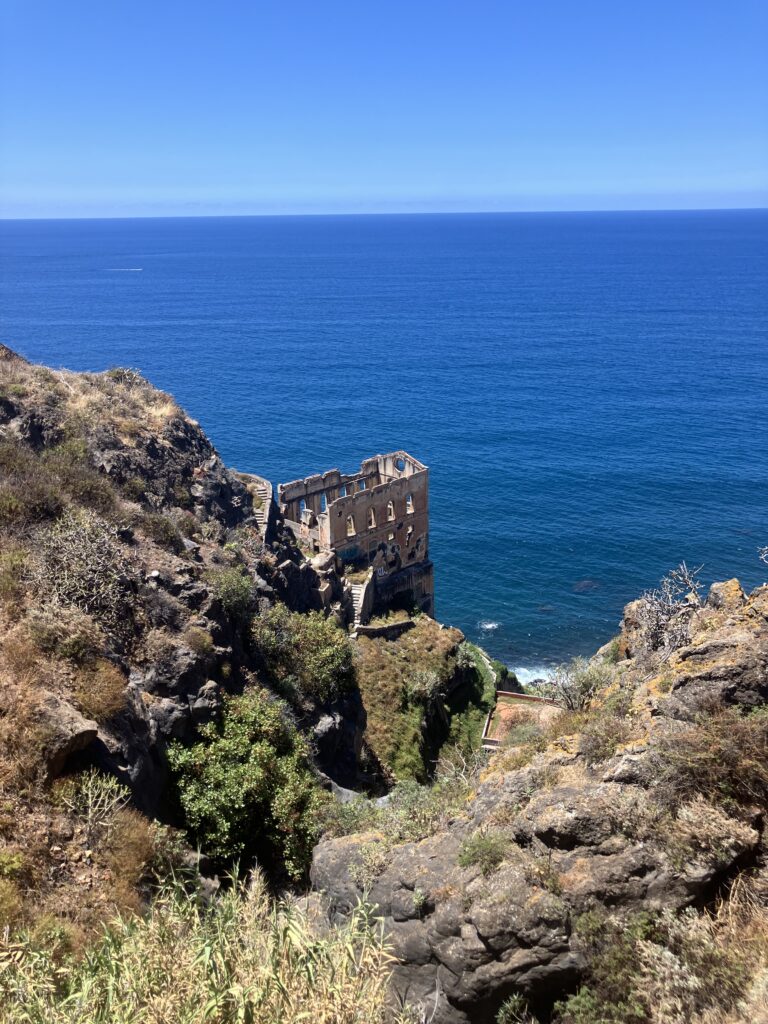
Gordejuela’s Water Elevator
Built in 1903, the water elevator can be seen from the San Pedro viewpoint. For a closer look at the property continue walking on the path to your right, in the direction of Puerto de la Cruz.
The lonely building is perched precariously on a cliff and clearly abandoned. And although it may not seem like it now, the five floor structure was quite innovative for its time. The first steam machine installed on the island was set up here to pump fresh water from the Gordejuela spring to nearby banana plantations.
The building is now deserted and over the years some of its arches and floors have collapsed. It is privately owned and considered one of the more interesting abandoned buildings in Tenerife due to its historic value.
Final Notes on Visiting Playa de Castro & Rambla de Castro
Playa de Castro is a beautiful beach situated within the larger Rambla de Castro Protected Area. While direct access to the Playa de Castro beach is currently prohibited, it is still well worth visiting the Rambla de Casa Protected Area for a walk and spectacular coastal views.
Check with the local tourism office in Puerto de la Cruz for updates on the restoration work of the access path to Playa de Castro. As of yet, no timeline for completion has been shared officially, which means it will likely be some time before access is restored.
Planning a trip? Check out insider tips for northern Tenerife:
Puerto de la Cruz: Family-Friendly Hotels with Built-In Entertainment
Where History Meets Hospitality: Puerto de la Cruz’s best Historic Hotels
The First-Timer’s Travel Guide: Should You Stay in Puerto de la Cruz?
What to Do in Puerto de la Cruz: And What to Avoid
Where to Stay in Santa Cruz de Tenerife: The Best Areas and Hotels
Where to Stay in La Laguna: Historic Buildings and Romantic Stays
What To Do in San Cristóbal de La Laguna: Museums, Walking Tours and Markets
What To Do in Tenerife: The Ultimate Beginner’s Guide to Tenerife